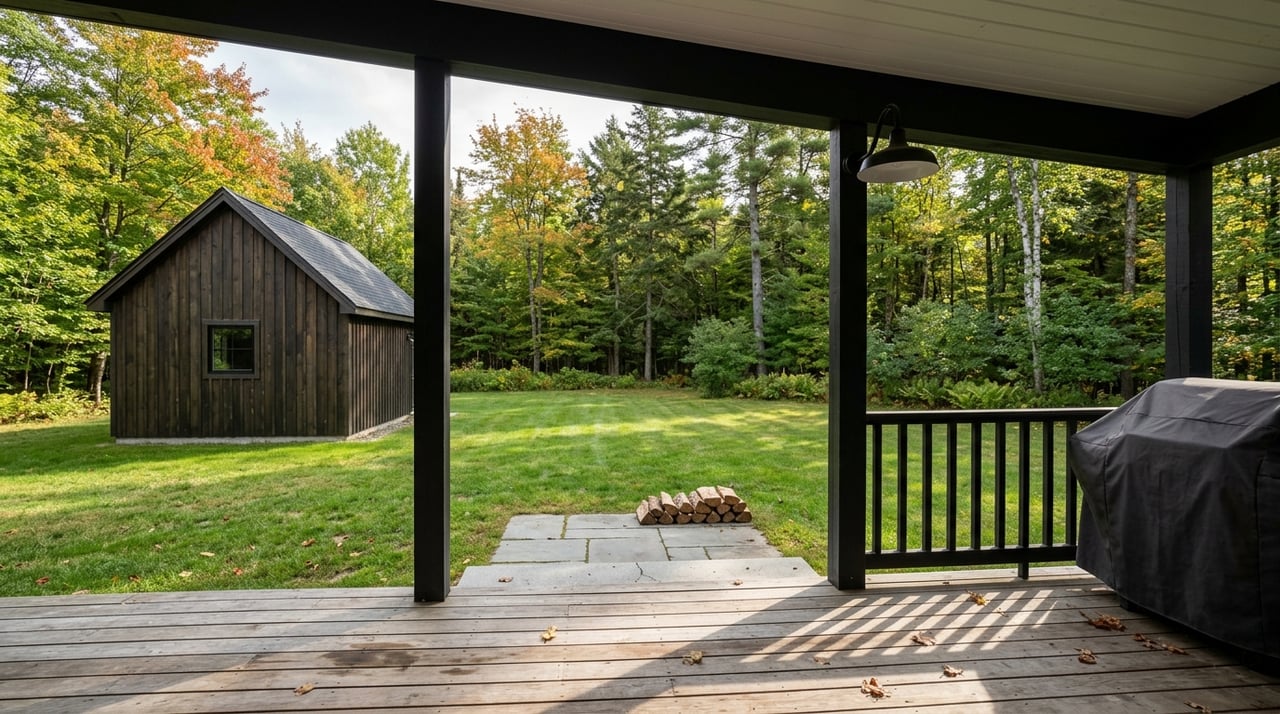
If you are thinking about a second home in the Adirondacks, Keene and Keene Valley stand out for one simple reason: seasonality is not a side note here, it is part of daily life. This is a place shaped by summer visitors, busy trail seasons, snowy winters, and quieter in-between months that still keep the local economy moving. If you want to understand what seasonal living really looks like in the High Peaks, this guide will help you think through the lifestyle, the housing fit, and the practical side of owning here. Let’s dive in.
Why Keene Valley Feels Built for Seasonal Living
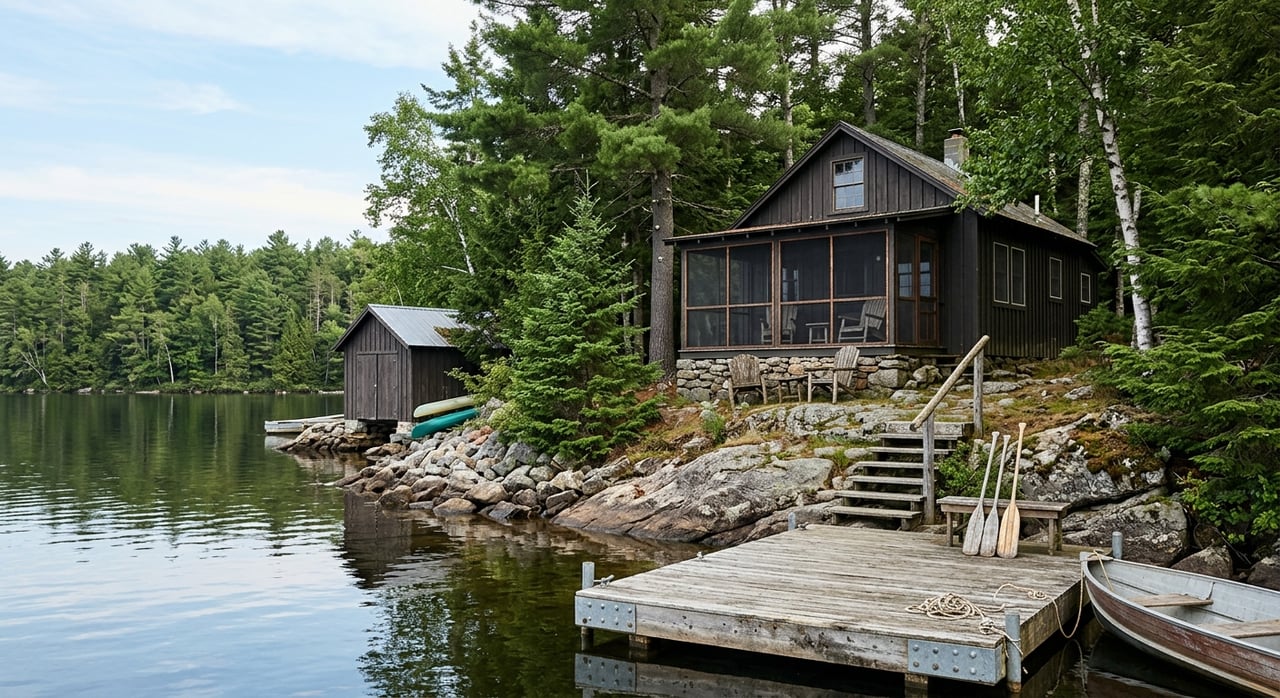
Seasonal living in Keene and Keene Valley is not a trend layered onto the community. The Town of Keene’s own history describes the area as a summer resort, with summer visitors playing a long-term role in the local economy. That history still shapes how the area feels today.
The housing picture supports that pattern. Census Reporter’s 2024 ACS-based profile for the Town of Keene shows 1,026 housing units and 377 households, which suggests a large share of homes are not occupied year-round. For buyers, that means part-time ownership is a familiar part of the local market rather than something unusual.
You can also see that seasonality in the local business mix. The town directory includes year-round food shopping, inns and B&Bs, outdoor retail, and services like snow removal, property management, and caretaking. That support system can make part-time ownership more realistic if you live elsewhere for part of the year.
What the Year Looks Like
Summer and Fall in the High Peaks
Summer and early fall are often the most active seasons in Keene Valley. The Town of Keene says the town contains 15 of the 46 High Peaks, which helps explain why hiking traffic and visitor demand rise so sharply during warmer months.
The Adirondack Mountain Reserve in Keene Valley is a major part of that rhythm. The New York State Department of Environmental Conservation says the reserve includes more than 27 miles of trails and uses a no-cost reservation system from May 1 through October 31. DEC also says the system is meant to reduce roadside parking and improve safety along Route 73.
That matters if you are buying here for seasonal use. Peak hiking months can bring heavier traffic, busier parking areas, and more movement through town, especially near trail access points. If you enjoy being close to the energy of the High Peaks, that can be a plus. If you prefer more separation, location and access become especially important.
Winter Is Still a Use Season
Keene Valley does not simply go quiet when snow arrives. Winter is a real part of the local lifestyle, with snowshoeing, backcountry skiing, and ski access all contributing to how people use homes in the area.
Local and regional recreation resources support that pattern. Keene Valley Lodge describes the hamlet’s trail network as suitable for snowshoeing and backcountry skiing, and Whiteface Mountain promotes both uphill access and advanced off-piste terrain. For many second-home owners, winter use is one of the biggest reasons to buy in the Adirondacks rather than treat the home as a summer-only retreat.
Transportation also matters more in winter. Essex County says the Whiteface Ski Shuttle operates seasonally, and the county transit network includes the Elizabethtown-Keene route. Even if you drive most of the time, seasonal transportation options add useful context for how the broader area functions.
Shoulder Seasons Are Quieter, Not Closed
Spring and late fall often feel calmer, but they are still part of a working four-season market. The town’s history, the local business directory, and the seasonal trail systems all point to a place that shifts with the calendar rather than shutting down between peak periods.
That quieter pace can appeal to buyers who want breathing room between busy stretches. Shoulder seasons can offer a different kind of enjoyment, with fewer crowds and a more local day-to-day feel. For some owners, those months become the most relaxing time to use the property.
What Homes Work Best for Part-Time Owners
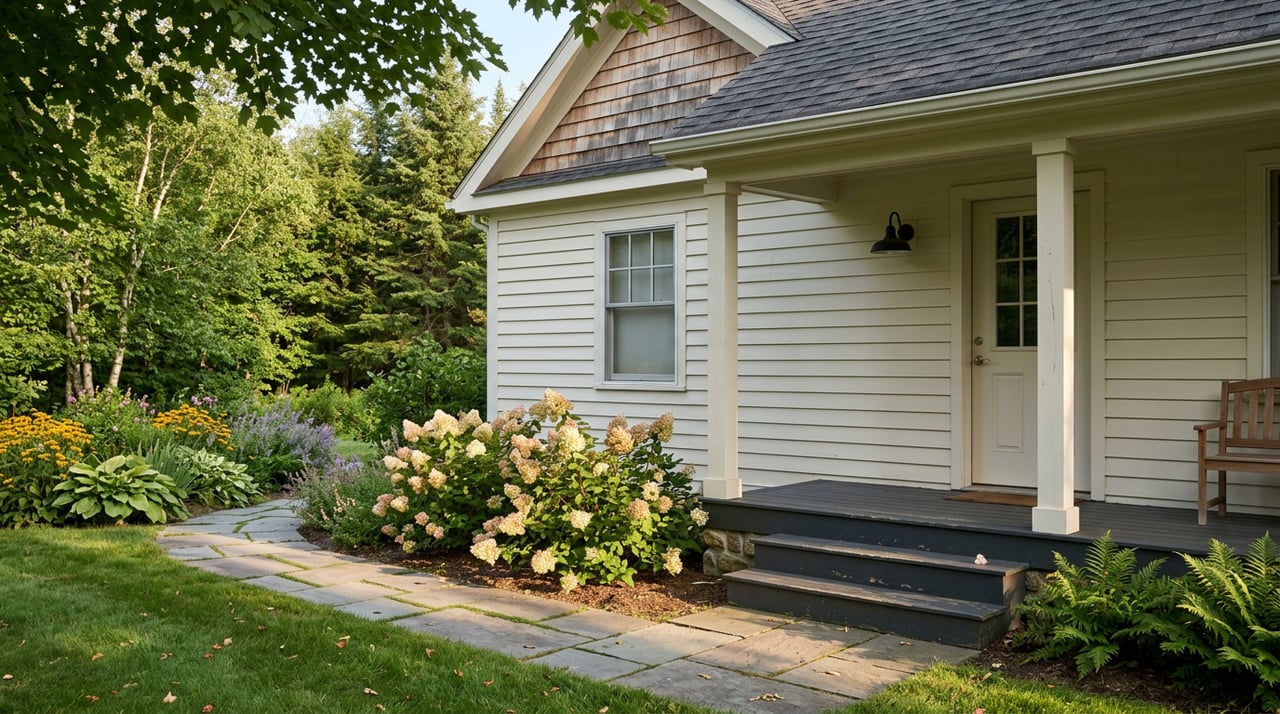
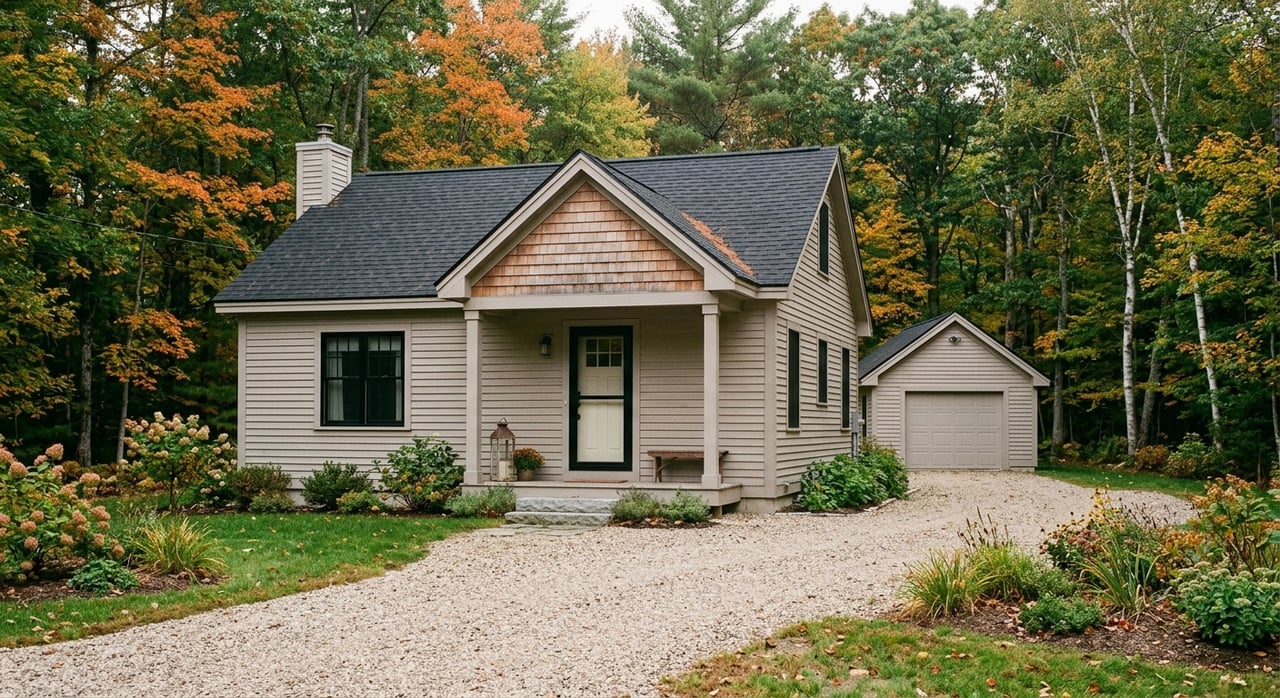
In Keene and Keene Valley, the best seasonal home is not always the biggest or most elaborate one. In many cases, a simpler home with easier upkeep is a better fit for part-time ownership, especially in a place with snow, changing weather, and stretches between visits.
A practical home can make the entire ownership experience smoother. You may spend less time coordinating upkeep and more time enjoying why you bought in the first place. That is especially important if your primary residence is a few hours away, or farther.
Features That Make Seasonal Living Easier
If you are evaluating homes for seasonal use, these features can make a meaningful difference:
- Reliable heating systems
- Effective insulation and air sealing
- Good moisture control and ventilation
- A manageable driveway and roofline
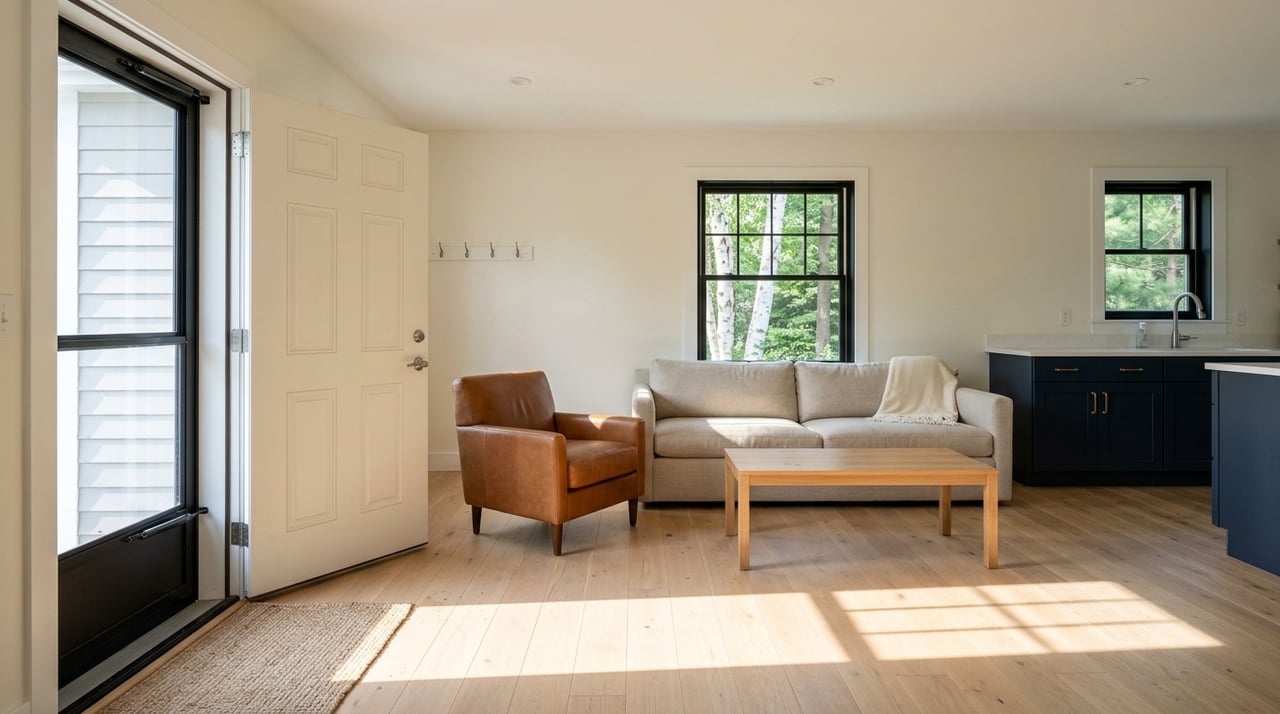
- Space for boots, skis, coats, and wet gear
- Access from a road that can be plowed reliably
- A layout that is easy to secure when you leave
The U.S. Department of Energy recommends weatherization basics such as air sealing, insulation, moisture control, and ventilation. In a home that may sit empty between visits, those fundamentals matter even more because they help the property stay stable through changing weather.
Budget Beyond the Purchase Price
Price is only part of the picture with a seasonal property. Census Reporter shows a median owner-occupied home value of $471,400 in the Town of Keene, which gives useful market context, but it does not tell the full ownership story.
You will also want to think about carrying costs and maintenance planning. Seasonal homes can come with routine needs that are easy to overlook at first, especially if you are focused on views, trail access, or cabin charm. A smart purchase plan includes both the home itself and the systems needed to care for it.
How to Manage a Home From Afar
Owning a seasonal home in the High Peaks works best when you treat it like a system, not just a property. The house, the weather, the access, and the local help all need to work together.
The U.S. Department of Energy and FEMA both emphasize cold-climate basics like air sealing, insulation, moisture control, and winterizing to reduce the risk of freeze damage and burst pipes. For a home that may be vacant between visits, the goal is usually simple: keep the structure protected and predictable.
Know the Difference Between Public and Private Maintenance
The Town of Keene highway department handles snow removal, debris, and road closures on town roads. That is helpful context, but it is different from private property upkeep.
As an owner, you still need a plan for your driveway, walkways, entrances, and the home itself. In winter especially, that distinction matters. A public road may be maintained, but your home still needs safe and reliable access.
Build a Local Support Network
The local business directory points to services that many seasonal owners need, including snow removal, property management, and caretaking. That kind of support can make a lock-and-leave property much more realistic.
For many buyers, seasonal ownership here works best when expectations are grounded in local conditions. The right setup often includes a well-matched home, realistic winter access, and dependable people nearby who can help when you are away.
Traffic, Trails, and Daily Practicality
Lifestyle appeal is easy to picture in Keene Valley. The daily logistics matter just as much.
DEC notes that the Town of Keene prohibits parking along Johns Brook, Market, and Adirondack Streets in Keene Valley. DEC also identifies The Garden as a major trailhead and an important access point for the High Peaks. These details may seem small at first, but they help shape how busy certain areas feel during peak hiking periods.
If you are comparing locations, it helps to think beyond the house itself. Access, parking patterns, road conditions, and peak-season activity can all affect how convenient your home feels during the times you plan to use it most.
Seasonal Living Is a Lifestyle Decision
A home in Keene or Keene Valley offers more than a place to stay. It gives you access to a four-season rhythm that includes hiking, winter recreation, quieter shoulder months, and a strong connection to the High Peaks landscape.
At the same time, successful ownership here usually comes down to practicality. The homes that serve owners best are often the ones that balance character with manageable upkeep, strong systems, and realistic access. If you match the property to the way you actually plan to live, seasonal ownership can feel both enjoyable and sustainable.
If you are exploring a second home, cabin, condo, or seasonal retreat in the Adirondacks, Bob Miller Real Estate can help you evaluate the Keene Valley market with local insight and a practical eye for four-season ownership.
FAQs
What makes Keene Valley a good fit for seasonal living?
- Keene Valley has a long history as a summer resort area, a housing pattern that suggests many homes are not occupied year-round, and a local service network that supports part-time ownership.
What seasons are most active in Keene and Keene Valley?
- Summer and early fall are especially active because of hiking access to the High Peaks, while winter is also a meaningful use season for snowshoeing, skiing, and other cold-weather recreation.
What should you look for in a seasonal home in Keene Valley?
- Focus on reliable heat, good insulation and air sealing, moisture control, manageable maintenance, gear storage, and dependable road access during winter conditions.
How do you maintain a part-time home in Keene from afar?
- Many owners rely on a mix of winterizing, weatherization, and local support services such as snow removal, caretaking, and property management.
Why do parking and trail access matter when buying in Keene Valley?
- Peak hiking activity can affect traffic, roadside parking, and how busy certain areas feel, so it is important to consider daily logistics along with the home’s features and setting.