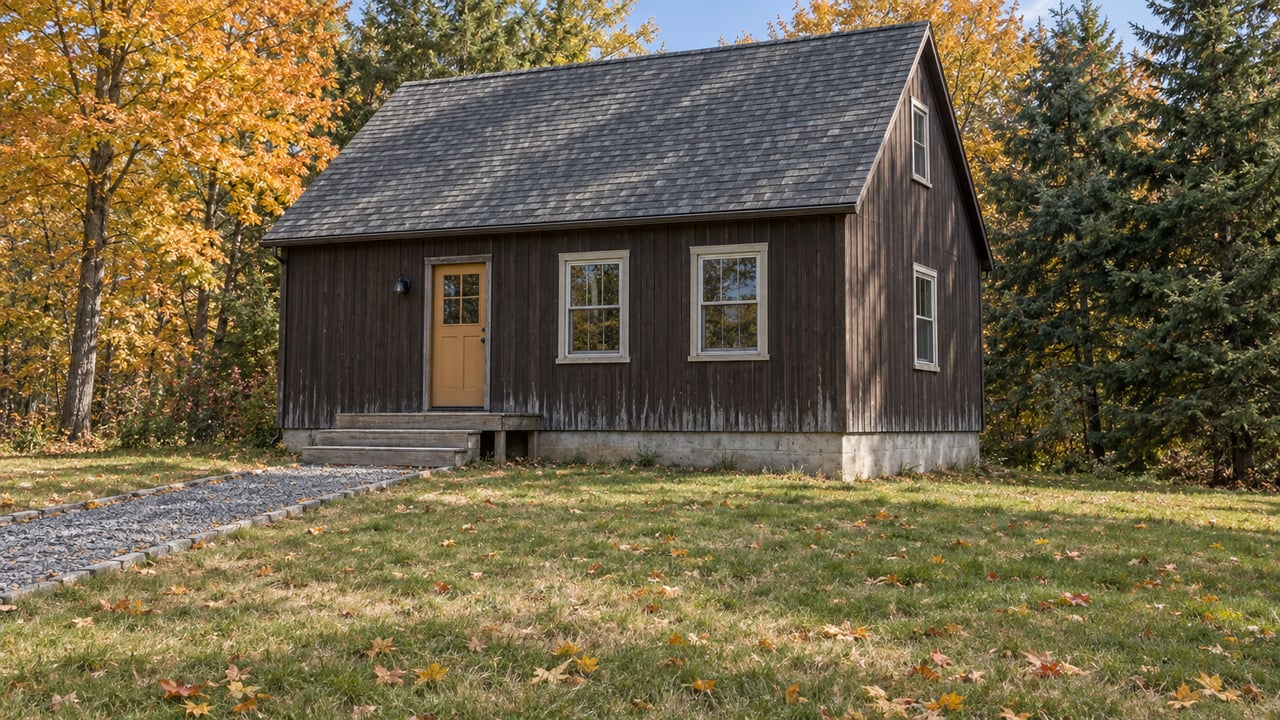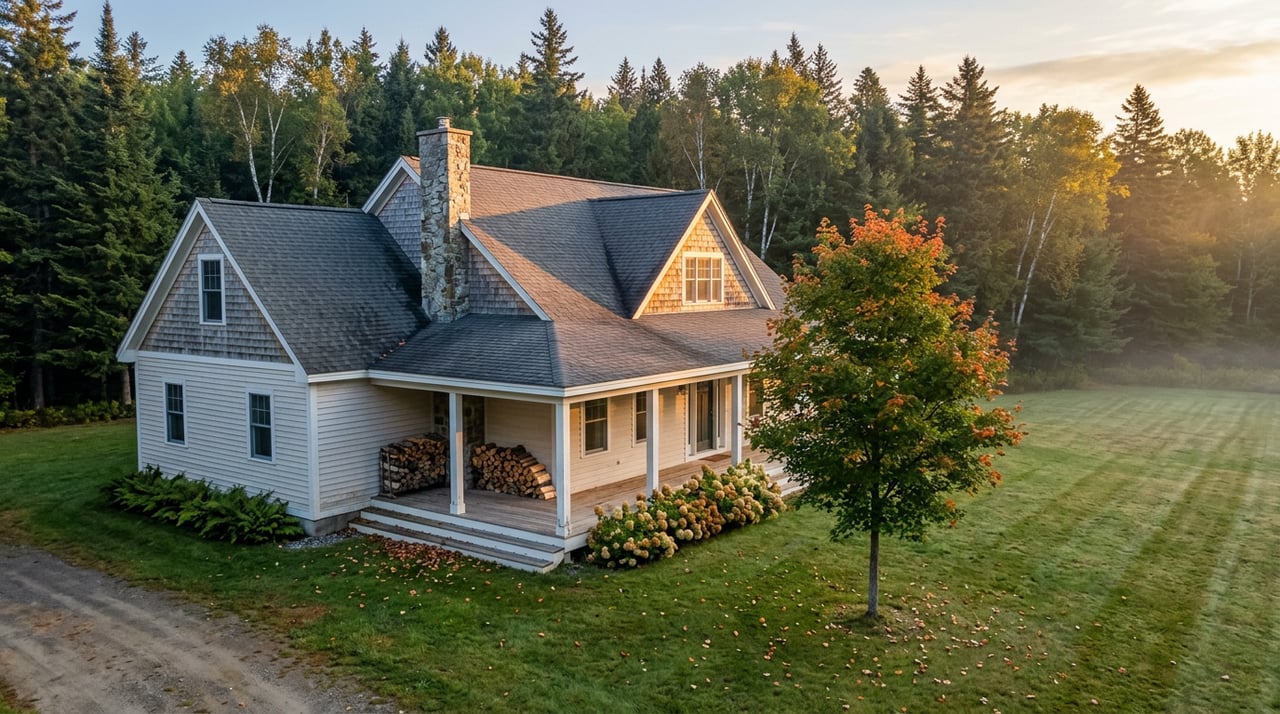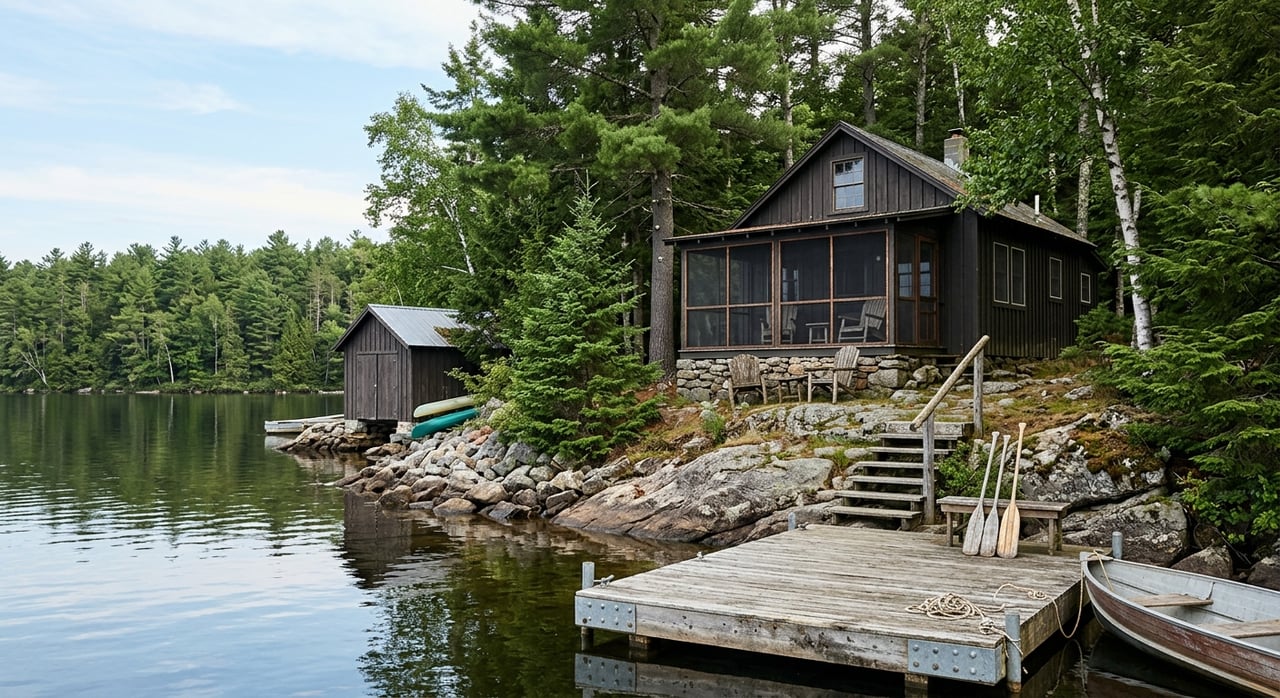
Wondering whether that waterfront camp in Tupper Lake is the right Adirondack escape, or a property with more shoreline questions than you expected? If you are shopping for a camp here, you are not just buying a cabin and a view. You are also buying into local access rules, Adirondack Park shoreline standards, and the practical realities of wells, septic systems, and seasonal waterfront maintenance. This guide will help you focus on the details that matter most before you make an offer. Let’s dive in.
Why Tupper Lake waterfront buying is different
Buying a waterfront camp in Tupper Lake is not quite the same as buying an inland cabin. In this part of Franklin County, waterfront ownership often comes with added layers of review tied to shoreline access, docks, boathouses, permits, and land use.
Because Tupper Lake sits inside the Adirondack Park, both local rules and Adirondack Park Agency, or APA, standards can affect what you can do with a property. That matters if you want to renovate a camp, rebuild near the shoreline, update a dock, or change how the lot is used.
Public boat launches are also part of the local picture. The DEC lists launches on the Raquette River in Tupper Lake and at Tupper Lake, so you should confirm whether a property includes deeded waterfront, deeded access, or whether boating use depends on nearby public access.
Confirm what “waterfront” really means
Not every listing described as a waterfront camp includes the same rights. Some parcels have direct shoreline frontage. Others may have shared shoreline, an easement, or access rights that are separate from the main homesite.
Before you move forward, ask for documentation that shows exactly how access works. If the shoreline is not part of the lot itself, you should request recorded easements or access agreements and review them closely.
Tupper Lake’s land use code treats deeded or contractual shoreline access as a formal land-use issue in subdivision contexts, with Planning Board review required. That means access is not just a casual feature to assume. It should be verified in writing.
Questions to ask about water access
- Does the lot include deeded shoreline frontage?
- Is the waterfront shared with other owners?
- Is access granted by easement or separate agreement?
- Are there recorded documents that define your rights?
- Does the property rely on a nearby public launch for boating?
Review docks and boathouses carefully
A dock or boathouse can be a major part of the value of a waterfront camp, but you should never assume an existing structure can be expanded, replaced, or rebuilt the way you want. In the Adirondack Park, shoreline restrictions can apply even when a separate APA permit is not required.
The APA defines a dock as a floating or fixed structure no more than 8 feet wide. It defines a boathouse as a covered water-access structure used only for boats and associated equipment, with no sanitary plumbing, a single story, a footprint of 1,200 square feet or less, and a height of 15 feet or less.
Tupper Lake’s local code also says docks, piers, boathouses, marinas, swimming floats, and similar water-related structures cannot interfere with navigation or another owner’s free access. That is especially important if you are considering a narrow lot or any property with shared shoreline.
What to verify before you buy
- Whether the dock or boathouse matches current rules
- Whether permits were issued for construction or later changes
- Whether the structure affects navigation or neighboring access
- Whether seasonal removal, storage, or boat-lift setup is needed
- Whether your future plans would require local or APA review
Understand shoreline setbacks and vegetation limits
One of the biggest surprises for waterfront buyers is how much shoreline rules can shape future plans. If you picture adding onto a camp, clearing more trees for a better view, or building near the water, it is smart to investigate those ideas early.
For new shoreline development, setback distances vary by APA land-use classification. The APA also limits shoreline vegetation removal near the mean high-water mark, and larger areas of clearing can trigger shoreline vegetation plan review at the local level.
Tupper Lake’s code says structures over 100 square feet generally must meet shoreline setbacks, although docks and boathouses are excepted. Even so, exceptions for one type of structure do not mean the rest of the lot is free from review.
Why this matters for camp buyers
A camp that feels private and open today may be difficult to alter later if shoreline setbacks, vegetation rules, or classification limits apply. If your purchase depends on future expansion or a different shoreline setup, get clarity before you commit.
Check permits before planning renovations
If you are buying an older camp, do not assume that every addition, deck, dock, or shoreline improvement was formally approved. In a waterfront setting, permit history can affect both your plans and your closing process.
Within the Adirondack Park, the APA says certain activities require a permit, including construction of dwellings, subdivision of land, activities in or affecting wetlands, and shoreline vegetation removal. The APA can also issue a jurisdictional advice letter that helps determine whether a permit or variance may be needed.
At the local level, Tupper Lake Code Enforcement handles building permits, site plan review, special use permits, subdivisions, and variances. The office states that a building permit is required before constructing, enlarging, improving, altering, removing, or demolishing a structure, or installing heating equipment.
A smart permit checklist
Before you close, ask your buyer agent and attorney to help you review:
- Prior building permits
- APA permits or correspondence
- Site plan, variance, or subdivision approvals
- Wetland or shoreline-related approvals if applicable
- Whether your intended updates would trigger new review
Do not overlook DEC and river rules
Some waterfront buyers focus only on the camp and the shoreline in front of it. That can be a mistake if the parcel involves regulated shoreline work or river frontage.
DEC regulates many waterfront projects, and its Region 5 guidance says applicants should contact the APA before finalizing plans for shoreline work in the Adirondack Park. DEC’s current Lakes and Shorelines General Permit may authorize some dock and shoreline work under DEC jurisdiction, but it does not apply in areas under APA freshwater wetland jurisdiction.
If the parcel fronts a river corridor instead of a lake, additional river-system restrictions can apply. In other words, the type of waterfront matters, not just the fact that water is present.
Treat permit history as a title issue
For waterfront camps in the Adirondacks, permit records are not only about construction. They can also affect future ownership.
APA permits commonly require recording in the county clerk’s office, can run with the land, and may require copies to be provided to later purchasers or lessees. That means permit history should be part of your title review, especially if the property includes shoreline work, additions, or other regulated improvements.
If a seller cannot clearly explain what was approved and when, that is a sign to slow down and investigate further.
Inspect septic and water systems closely
Many buyers fall in love with the setting first and think about utilities later. With a waterfront camp, that order should be reversed at least part of the time.
If public sewer or water is not available, Tupper Lake’s land use code requires onsite sewage and water systems designed to New York State Department of Health standards. The same code requires on-site sewage drainage fields or seepage pits to be at least 100 feet from the mean high-water mark of lakes, ponds, rivers, streams, and wetlands.
For practical ownership, septic performance and water supply should be high on your inspection list. NYSDOH says septic tanks should generally be pumped every 2 to 3 years, and its well guidance recommends annual well inspection by a DEC-registered well contractor, along with testing when a well has been repaired, flooded, or otherwise changed.
Utility questions worth asking
- Is the property on public water or a private well?
- Is the property on public sewer or a private septic system?
- When was the septic system last pumped or serviced?
- Where are the septic components located relative to the shoreline?
- When was the well last inspected or tested?
Look beyond the cabin itself
A waterfront camp inspection should cover more than the interior and roof. Shoreline properties face wear from erosion, floodwater, ice, and heavy seasonal use.
You should pay close attention to the shoreline edge, retaining walls, riprap, dock condition, and any boat-lift or seasonal access setup. These features can be expensive to repair and may involve additional review if changes are needed.
Boating habits matter too. DEC reminds boaters in Franklin County to Clean, Drain, Dry before launching, and the area’s public launch network shows how important water access is in and around Tupper Lake.
Build your offer around facts, not assumptions
When you find a camp you love, it is easy to picture mornings on the dock and long weekends on the water. But the best waterfront purchases happen when the lifestyle match and the property details line up.
A strong buying strategy in Tupper Lake starts with verifying frontage, access rights, permit history, shoreline limits, and utility condition before you remove contingencies. That is especially true if you are an out-of-area buyer or if the property is a second home that you will not visit every week.
Working with a local brokerage that understands Adirondack waterfront property can help you ask the right questions early, spot red flags, and move forward with more confidence.
If you are thinking about buying a waterfront camp in Tupper Lake, Bob Miller Real Estate can help you evaluate access, property details, and next steps with practical local guidance.
FAQs
What should you confirm before buying a waterfront camp in Tupper Lake?
- You should confirm whether the property has deeded shoreline frontage, shared shoreline, or access by easement, and review any recorded access documents.
How are docks and boathouses regulated for Tupper Lake waterfront property?
- Docks and boathouses may be subject to Adirondack Park shoreline restrictions and Tupper Lake land use rules, including limits related to navigation and neighboring access.
Do you need permits to renovate a waterfront camp in Tupper Lake?
- You may need local permits through Tupper Lake Code Enforcement, and some projects may also require APA review or permits depending on the work.
Why does permit history matter for Adirondack waterfront camps?
- APA permits can run with the land and may need to be recorded, so past approvals can affect title review and future ownership responsibilities.
What utility issues matter most for waterfront camps in Tupper Lake?
- Septic condition, well performance, and the location of sewage system components relative to the shoreline are key issues to review during due diligence.
What should you inspect at the shoreline of a Tupper Lake camp?
- You should inspect the shoreline edge, retaining walls, riprap, dock condition, and any boat-lift or seasonal access setup for wear, erosion, or needed repairs.