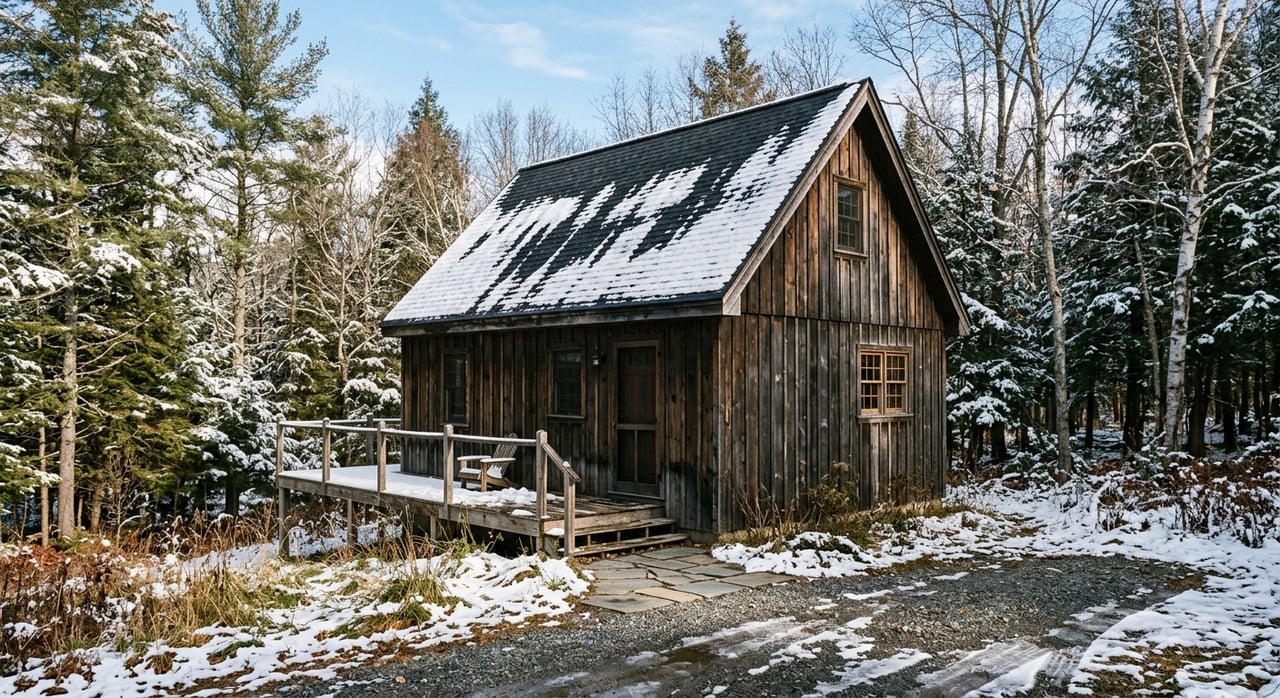
Dreaming about a cabin in Keene or Keene Valley? It is easy to picture the views, the quiet, and the fresh mountain air. What is less obvious is how much upfront homework a land purchase can require in this part of the Adirondacks. If you want to buy wisely, avoid delays, and move toward a buildable cabin site with more confidence, the right first steps matter. Let’s dive in.
Why cabin projects here take planning
Keene Valley is part of the Town of Keene, and the town sits within the Adirondack Park. The town describes the area as mountainous and rocky, with unstable soil in places. That local context alone can affect where you can build, how you design a driveway, and what kind of septic planning may be needed.
The town also places strong emphasis on protecting scenic qualities, hillsides, and the Ausable River setting through its land use and site plan rules. In practical terms, that means a raw parcel that looks appealing online may still need careful review before you can count on a straightforward cabin project.
Start with parcel-level research
Before you focus on cabin floor plans or porch design, start with the land itself. A good first screen can help you avoid a parcel that looks simple on paper but becomes costly or slow once due diligence begins.
Essex County Real Property Tax Services provides a GIS viewer that lets you search by owner name, address, or parcel ID. It includes mapping layers and links to FEMA flood resources, which can help you identify basic parcel details early in the process.
Here are a few questions to answer right away:
- Is the parcel clearly identified and mapped?
- Are there signs of floodplain concerns?
- Does the lot configuration make room for a cabin, septic area, and access?
- Are there nearby features that may affect review, such as wetlands or steep slopes?
This early screening will not replace professional review, but it can tell you whether a parcel deserves deeper investigation.
Confirm legal access before closing
A cabin site is only as usable as its access. Lot size may catch your eye first, but road access can shape your costs, timeline, and long-term ownership experience just as much.
The Town of Keene Highway Department handles town road matters such as road closures and snow removal, while state road issues go to NYSDOT in Keene. For you as a buyer, that makes it important to confirm whether the parcel fronts a town or state road, or whether access depends on a private road, easement, or shared driveway arrangement.
Before closing, try to clarify:
- Whether access is deeded and legal
- Who maintains the road or driveway
- Whether winter access is realistic for your planned use
- Whether a new driveway or road work may need review or permits
If you are buying land for a year-round cabin, these questions are not minor details. They are central to whether the site will work the way you expect.
Check water options early
Water service in Keene is not one-size-fits-all. The Town of Keene Water Department states that the town has two water districts, and residents within those districts pay a flat annual rate. That means one of your first infrastructure questions should be whether the parcel is inside a water district or whether it will rely on a private well.
If the land will need a private well, plan for testing and ongoing upkeep as part of ownership. New York State recommends testing private wells at least once a year for bacteria and every 3 to 5 years for other contaminants.
That does not mean private wells are unusual here. It simply means you should build water planning into your budget and timeline from the start.
Make septic feasibility a priority
For many raw land purchases, septic feasibility is one of the biggest make-or-break issues. A beautiful wooded parcel can lose much of its appeal if the site cannot support an individual sewage system where you want to place the cabin.
New York State describes a septic system as including a house sewer drain, septic tank, distribution box, and soil absorption field. In Essex County, the environmental health division works with the New York State Department of Health district office on individual water and sewage systems.
That makes septic planning more than a builder conversation. It should be part of your pre-purchase due diligence, especially if the lot has slopes, rock, shallow soils, or layout constraints.
Expect APA and town review
One of the most important things to understand about buying land in Keene and Keene Valley is that review may happen at more than one level. Because the property is in the Adirondack Park, the Adirondack Park Agency says construction of dwellings and subdivisions can require a permit, and landowners can request jurisdictional advice before filing.
The APA also states that for minor projects such as single-family dwellings and two-lot subdivisions, decisions must be made within 45 days after the application is complete. That timeline can be helpful, but the key phrase is after the application is complete.
At the local level, the Town of Keene’s Site Plan Review Law governs subdivision, land use, site plan review, and related matters. The town’s code enforcement resources also include planning and building forms, a steep slope setback formula, and an APA jurisdiction inquiry form.
In many cabin projects, both town review and APA review may come into play, especially if the property involves:
- A new dwelling
- A subdivision
- Wetland areas
- Steep slopes
- A new access road
Follow the right order of approvals
In mountain settings like Keene Valley, timing matters. Starting too early or making assumptions about approvals can create expensive setbacks.
The APA warns that if a permit is needed, no road construction, grading, excavation, landscaping, site clearing, utility installation, or lot conveyance should begin until the permit has been issued. For buyers planning a cabin, this is one of the clearest rules to keep front and center.
A realistic path often looks like this:
- Screen the parcel using county mapping and basic records
- Confirm access, water options, and likely utility needs
- Order a boundary survey and check for wetlands
- Ask the APA whether jurisdiction applies
- Coordinate with town planning and code enforcement
- Address well and septic questions with the county and state environmental health side
- Move to building permits only after the required reviews are in place
This kind of sequence can save time because it helps you solve the highest-risk issues before spending heavily on final design.
Use local professionals with mountain experience
Not every builder or designer is the right fit for an Adirondack cabin site. The Town of Keene’s local conditions and code documents point to the realities of steep slopes, rocky ground, and site-specific design limits.
The APA’s applicant guidance also points to services such as engineering, surveying, wetland delineation, and residential onsite wastewater planning. That supports a practical, research-first approach where you bring in the right professionals before locking in a cabin design.
For many buyers, the smartest team may include:
- A surveyor
- A wetland professional if conditions suggest it
- An engineer or septic designer
- A builder or architect familiar with Adirondack terrain
- A local real estate advisor who understands the approval path
If you skip these early voices, you may end up designing a cabin for a site that cannot support it as planned.
What buildable really means here
When buyers ask whether a parcel is “buildable,” the real answer usually has several parts. In Keene and Keene Valley, buildable often means the lot can support legal access, satisfy review requirements, handle water and septic needs, and accommodate a cabin site without running into major slope, wetland, or flood-related constraints.
That is why the best land buyers here tend to think beyond acreage. They focus on whether the site can function in real life, in all seasons, and within the local review framework.
A parcel may still be a strong opportunity even if it needs extra planning. The key is knowing that before you close, not after.
How local guidance helps you buy smarter
Buying land and building a cabin in Keene or Keene Valley can be rewarding, but it works best when you treat due diligence as part of the purchase strategy, not just a box to check later. In this market, local knowledge matters because parcel conditions, approval paths, and infrastructure questions can vary widely from one site to the next.
If you are considering land for a cabin, a local brokerage that knows the Adirondacks can help you ask better questions early, spot issues that deserve follow-up, and connect the property search to the realities of building in mountain country.
When you are ready for a local market consult, connect with Bob Miller Real Estate to talk through land opportunities in Keene and Keene Valley.
FAQs
What should you check before buying land in Keene Valley for a cabin?
- Start with parcel mapping, legal access, water source, septic feasibility, slope and wetland conditions, and whether APA or town review is likely.
Does a cabin project in Keene Valley need Adirondack Park Agency review?
- It can. The APA states that construction of dwellings and subdivisions can require a permit, and buyers can request jurisdictional advice before filing.
Can you start clearing land before cabin permits are issued in Keene or Keene Valley?
- No, if an APA permit is needed. The APA says no road construction, grading, excavation, landscaping, site clearing, utility installation, or lot conveyance should begin until the permit is issued.
How do you know if land in Keene is served by town water?
- Check whether the parcel is inside one of the Town of Keene’s two water districts. If it is not, the property will likely rely on a private well.
Why is septic planning so important for Keene Valley land purchases?
- Septic feasibility can determine whether a lot works for your cabin plans, especially on sites with rock, slopes, shallow soils, or layout constraints.
What local office should you contact first about land use questions in Keene?
- The Town of Keene directs land-use questions through local offices, including the Code Enforcement Office at Town Hall, and the Planning Board has a regular submission and meeting schedule.
How long can APA review take for a small cabin project in the Adirondack Park?
- For minor projects such as a single-family dwelling or a two-lot subdivision, the APA says a decision must be made within 45 days after the application is complete.