Thinking about selling your Wilmington home this year? Picking the right list price is the single biggest lever you control. In a market shaped by Whiteface Mountain, Lake Placid, and Adirondack Park rules, a smart pricing plan does more than set a number. It helps you attract the right buyers, avoid costly delays, and protect your final sale price. In this guide, you’ll learn how to price with confidence using local comps, seasonality, and verified property details. Let’s dive in.
Why Wilmington pricing is different
Wilmington sits in a rural, four-season resort market where buyer demand spikes around skiing, hiking, and fishing season. That seasonality affects how quickly well-priced homes move and which features command a premium. Properties with water access, mountain views, or close proximity to Whiteface Mountain often draw more attention and stronger offers. Remote or hard-to-access locations, especially with winter road challenges, typically face a smaller buyer pool and require careful pricing.
Rural systems matter to buyers here. Heating type and age, insulation quality, roof condition, and septic and well compliance can shift perceived value. Permits and approvals also count. If your home is within Adirondack Park jurisdiction, documented improvements and land-use clarity can support a higher price because they reduce uncertainty for buyers.
Know your buyer pools
Wilmington attracts three main groups, and each values different features:
- Primary-home buyers: They focus on year-round access, efficient heating, property condition, and manageable maintenance. Reliable winter plowing and driveway access can be decisive.
- Second-home and vacation buyers: They look for convenience to skiing and trailheads. Views, outdoor living space, and turnkey condition help command stronger pricing.
- Short-term rental investors: They want verified income history, realistic seasonal occupancy, and clarity on local STR rules. Documented bookings and expenses can justify a stronger ask when supported by compliance and conservative projections.
Use the right valuation methods
Choosing how to value your property is just as important as the final price you choose.
Comparative Market Analysis (CMA)
A detailed CMA compares your home to recent nearby sales and adjusts for size, acreage, lake rights, renovations, condition, and access. In rural markets, it is normal to expand the radius and timeframe for comps. The key is to document why each comparable sale was chosen and how adjustments were made.
Appraisal
If your buyer uses financing, an appraisal will follow a similar, comparable-based method. Appraisal opinions can be more conservative, especially for unique properties. If you price ahead of the market, have a plan for potential appraisal gaps so your deal does not stall.
Automated valuation models (AVMs)
Instant estimates are often inaccurate in rural and unique Adirondack settings. Use AVMs for rough context only. Your list price should be anchored to a local CMA and knowledge of current buyer behavior.
Income approach for STR properties
If you plan to market short-term rental potential, use an investor-oriented lens. Verified net operating income, realistic occupancy across ski and summer seasons, and clear expenses allow for value-add pricing. Avoid relying on advertised potential without proof. It is imperative to have a good handle on evolving town laws and approvals. The town code enforcement officer- Doug Nemic can be very helpful.
Public records and assessments
Assessor data, deed history, and tax assessments provide helpful background. They often lag the true market, so treat them as supporting context rather than a pricing anchor.
Choose your pricing strategy
Every strategy has trade-offs. Pick the one that fits your goals and the current inventory picture.
- Market-value pricing (recommended baseline): Price at a well-supported market value from a precise CMA. This attracts qualified buyers, keeps days on market in check, and helps manage appraisal risk.
- Slightly under-market pricing: List a bit below comparable sales to drive traffic and encourage multiple offers. Best when inventory is tight and your property appeals to a wide buyer pool. There is a risk of fewer or weaker offers if demand is softer than expected.
- Overpricing with planned reductions: Start above market with scheduled markdowns based on early feedback. This can capture a premium buyer but often leads to longer market time and potential price erosion.
- Value-add pricing with verification: If you have documented STR income or recent permitted improvements, price accordingly with conservative proof. Transparency and compliance are essential to maintain buyer trust.
Time your list to the season
Seasonality is real in Wilmington. Think about when your buyer is most active.
- Waterfront and summer-oriented homes: Listing in late spring through early summer often reaches the largest audience for waterfront and recreation-focused buyers.
- Ski-focused properties: Listing ahead of ski season helps capture demand tied to Whiteface Mountain and winter bookings.
- Year-round residences: Spring remains the broadest buyer window, though qualified buyers shop throughout the year in this market.
When timing is flexible, aim to go live just before peak interest for your property type. That timing can justify firmer pricing and improve your odds of strong early offers.
Build a measurable pricing plan
Strong pricing is more than a number; it is a process you can track.
- Set clear monitoring periods: Evaluate showings, online views, and agent feedback over the first 2 to 3 weeks. Early signals matter.
- Define adjustment triggers: Decide in advance when and how you will modify price or marketing if interest is below expectations.
- Prepare for appraisal gaps: If your accepted offer is above recent comps, discuss options like price adjustments, credits, or alternative financing solutions.
- Align search brackets: Check common price filters so your list price appears in the widest relevant searches without missing key brackets.
Document price-impacting details
Buyers in Wilmington make decisions based on condition, compliance, and ease of ownership. Documenting these items supports a stronger price.
- Heating, insulation, and roof status, including service and age.
- Septic and well reports, pump-out records, and any recent replacements.
- Year-round access details, snow removal arrangements, and driveway grades.
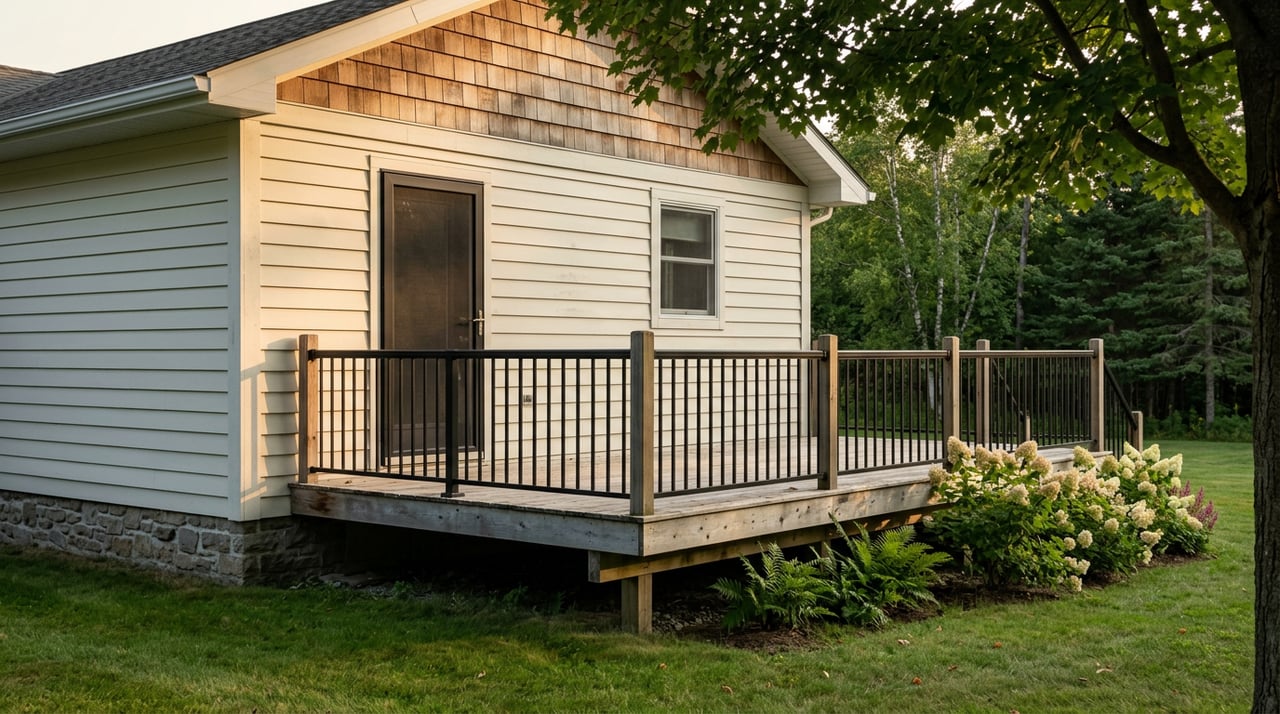
- Permits and approvals for additions, decks, or system upgrades.
- Adirondack Park Agency jurisdiction, prior approvals, and any restrictions.
- Easements, conservation restrictions, and land classifications that affect development.
- Lot size, surveyed boundaries, and buildability within local zoning.
Providing this information upfront reduces buyer uncertainty and helps justify your asking price.
Legal and regulatory factors
Several state and local items can affect pricing and net proceeds.
- Transfer taxes and seller costs: New York State and local conveyance taxes may apply, along with typical seller costs like commissions and any outstanding liens. Plan for these at the pricing stage.
- Adirondack Park rules: If your property is inside APA jurisdiction, land-use regulations can influence buyer expectations. Prior approvals and clear documentation are assets.
- Short-term rental rules: Local towns may require STR registrations, licensing, or occupancy limits. Make sure any claimed rental income aligns with current rules.
- Required disclosures: Follow New York disclosure laws, including known defects and lead paint for pre-1978 homes. Inspection and repair history improves buyer confidence.
Avoid common pricing pitfalls
Even good properties can underperform if pricing misses the mark.
- Leaning on AVMs instead of local comps and on-the-ground knowledge.
- Overlooking winter access, private road agreements, or steep driveways when pricing.
- Advertising unverified STR income or ignoring compliance requirements.
- Withholding known condition issues or improvement documents.
- Ignoring seasonality and launching in a slow window without a plan.
Next steps for sellers
A strong launch blends pricing discipline with premium marketing that reaches both local and out-of-area buyers.
- Schedule a pricing consult and CMA: Align on comps, adjustments, and a monitoring plan.
- Gather documentation: Septic and well reports, permits, work invoices, and any STR financials.
- Plan your timeline: Coordinate the list date with peak buyer windows for your property type.
- Invest in presentation: Professional photography, drone for views and setting, accurate floor plans, and virtual tours help serious buyers act fast.
If you want senior-level guidance and polished presentation, we can help. With 400+ transactions and deep Adirondack expertise, our owner-led team builds a pricing and marketing plan tailored to Wilmington and the surrounding market. Ready to talk strategy? Contact Bob Miller Real Estate for a local market consult.
FAQs
How do I find good comps in rural Wilmington?
- Work with a local agent who can expand the search radius and timeframe, then adjust for lake access, acreage, condition, and access so the comps tell a credible story.
Should I price for speed or top dollar?
- Decide based on goals and inventory: market-value pricing balances speed and certainty, while under-market aims for multiple offers and overpricing chases a premium with higher risk.
How does Adirondack Park oversight affect value?
- APA jurisdiction and land-use rules can limit expansion, so documented approvals and clear restrictions reduce buyer uncertainty and can support a stronger price.
What should I disclose about septic, well, and winter access?
- Provide recent reports, service records, and clear details on year-round access and snow removal so buyers can evaluate the property confidently.
Can I price based on short-term rental income?
- Yes, if you have verified bookings and expenses and the operation complies with local STR rules; use conservative numbers to maintain credibility.
When is the best time to list in Wilmington?
- Aim just ahead of peak demand: spring to early summer for lake-focused properties and before ski season for Whiteface-oriented homes.
What if the appraisal comes in low?
- You can renegotiate the price, offer seller credits, explore buyer bridge options, or seek a new buyer whose financing or valuation approach fits the property better.