Thinking about turning a Tupper Lake place into a short-term rental? You want steady bookings, clear rules, and numbers that pencil out, all while enjoying time in the Adirondacks. In this guide, you’ll learn what drives demand in 12986, how local rules and taxes work, what costs to expect, and a smart due diligence checklist before you buy. Let’s dive in.
Why Tupper Lake draws guests
Tupper Lake has reliable visitor magnets that support year-round demand. Families and nature lovers plan trips around The Wild Center, which anchors tourism and adds new programming over time. Its location right in town keeps visitors close to local dining and services.
Active travelers are also discovering the Adirondack Rail Trail. The state lists it as a 34-mile, all-season corridor connecting Lake Placid, Saranac Lake, and Tupper Lake, with strong early usage after openings. Expect more cyclists, walkers, and winter users flowing through town as awareness grows, according to the New York State DEC’s project page.
One more development to watch is the Big Tupper ski area. The property sold at auction in late 2024 and new owners have discussed reopening in some form. If it returns, it could lift winter lodging demand, though it is a multi-year, capital-heavy effort and not a guaranteed near-term change, as covered by the Adirondack Daily Enterprise.
Seasonality and booking patterns
Summer and fall are the prime seasons. Summer brings lake time and family travel, and fall adds peak leaf color and strong rail-trail cycling. Winter weekends can perform well on snowmobiling and cross-country skiing, with upside if downhill options expand. Late winter into spring often sees softer weekday occupancy, so plan for slower stretches and targeted promotions.
Weather plays a role in your budget and calendar. Summers are mild, and winters are cold with significant snowfall. You should plan for heating costs, snow removal, and careful winterization. Stock the home for cold-weather comfort and market those amenities in your listing.
Property types and pricing signals
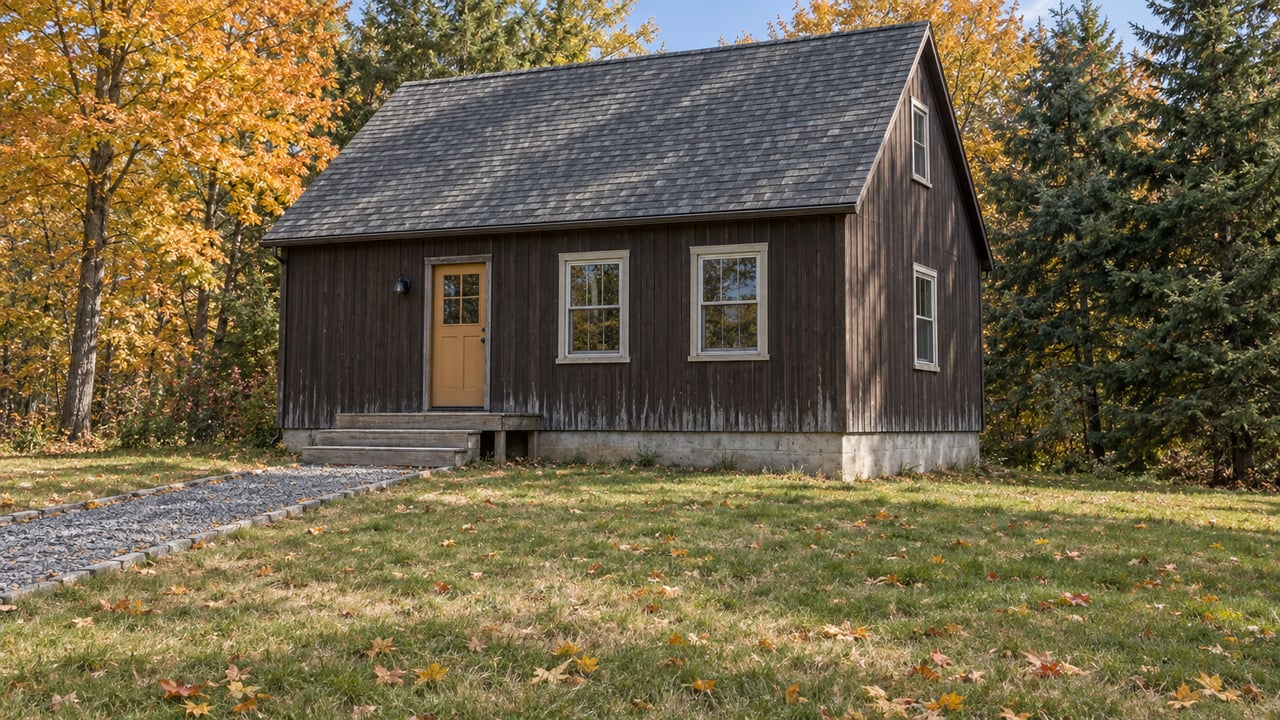
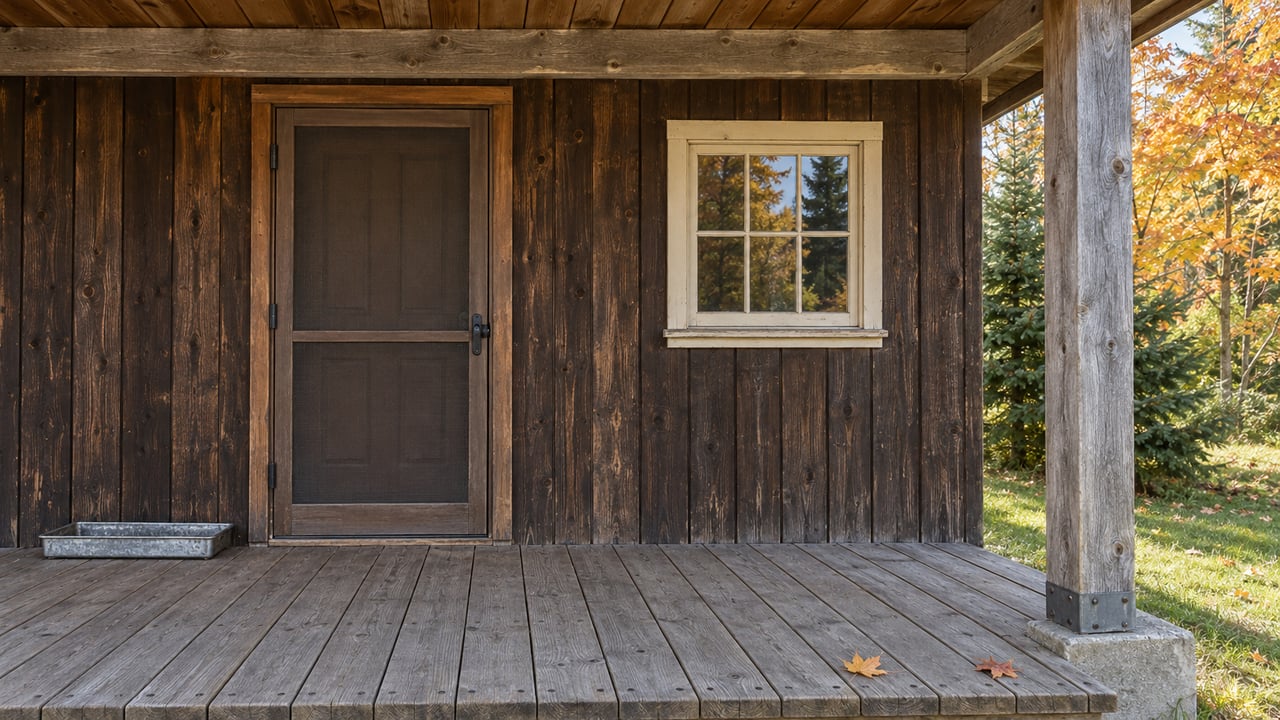
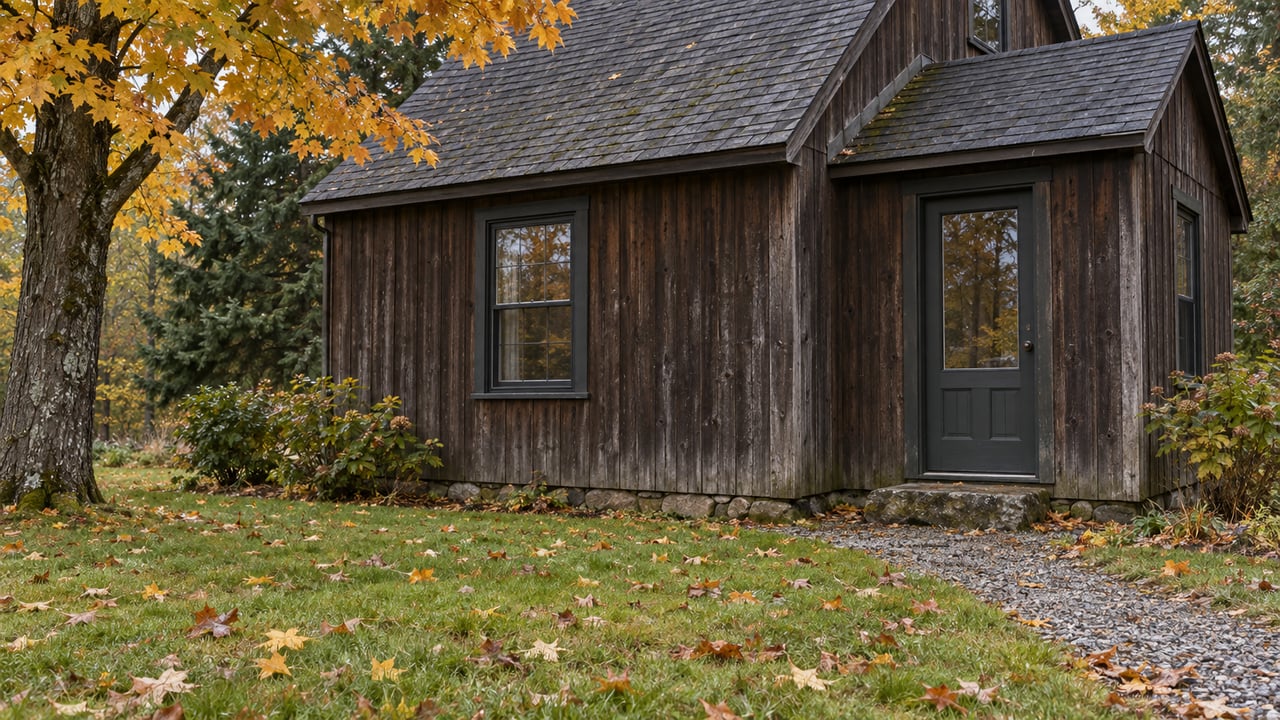
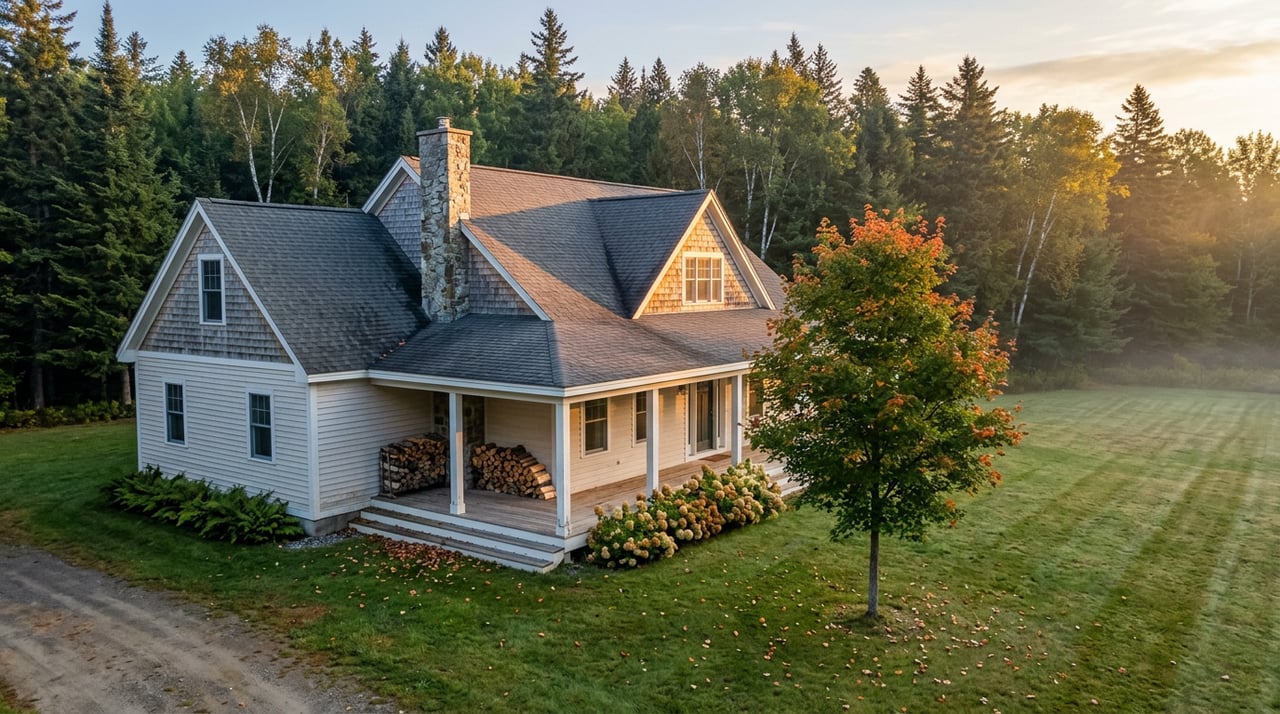
You will see a range of STR options in 12986: in-town homes and cottages, rustic cabins, lakefront single-family homes, places with accessory units, and some multi-unit properties. Lakefront and turnkey homes tend to command higher nightly rates, while smaller in-town homes usually offer a lower entry price.
Public listing-site medians can vary by source and month. Local MLS activity shows a broad price spectrum across the ZIP. Waterfront, renovated, and multi-unit properties typically price higher than older in-town homes. Your best move is to verify pricing and comps for your exact target property and neighborhood through a local broker.
Regulations and taxes to know
Town leaders have publicly discussed creating a short-term rental permit and inspection program with “good neighbor” rules such as quiet hours, parking guidance, a local contact, and periodic safety checks. The board has debated a permitting approach and flagged sewer and grinder-pump districts as a focus, but news reports did not show a final townwide ordinance at the time of coverage. Review current status directly with the town, and see context from the Tupper Free Press on permit discussions.
On taxes, New York State requires sales tax on short-term occupancy. Counties and localities can add an occupancy or bed tax on top. Franklin County runs a county occupancy tax program reported at 5 percent. Confirm registration and filing requirements with the county treasurer and the state; start with NYS Tax Department guidance on hotel and short-term occupancy and local reporting on Franklin County’s bed tax program.
Operating costs to budget
Build a conservative pro forma that captures both fixed and variable expenses. Common categories include:
- Financing and closing costs: Ask lenders about STR underwriting or DSCR loans.
- Property taxes and assessments: Waterfront parcels can carry higher tax bills; confirm current bills by parcel.
- Insurance: Standard homeowner policies often exclude short-term rental use. Budget for specialized STR or host-business coverage with robust liability and property protections. Learn the basics from this overview of short-term rental insurance options.
- Cleaning and turnover: Invoices often range from about 75 to 250 dollars per stay depending on size and scope. Frequent one-night stays raise costs.
- Property management or co-host: Full-service fees commonly run about 15 to 35 percent of gross revenue, depending on scope and provider, per this guide to vacation rental management fees.
- Utilities, internet, and supplies: Heating can be a significant winter cost. Confirm broadband speeds and reliability at the exact address. Budget for linens, consumables, and seasonal spikes.
- Maintenance and reserves: Allow for snow removal, winterization, HVAC or woodstove service, dock and shoreline care for waterfront homes, and periodic capital items like roofs or septic work.
- Taxes and filings: Plan for New York State sales tax and the Franklin County occupancy tax. Some platforms collect certain taxes, but you remain responsible for registration and remittance.
- Platform and payment fees: Factor in channel commissions and processing fees that reduce net revenue.
Location and listing strategy
Your location choice shapes your revenue and guest profile. Proximity to The Wild Center, trailheads and access points on the Adirondack Rail Trail, the waterfront, and key in-town amenities can lift occupancy and rates. Investment tradeoffs are real: smaller in-town homes are more affordable but may produce lower nightly rates, while lakefront or multi-unit properties cost more and often attract longer or group bookings.
Local reporting shows STR listings have grown in recent years, which increases competition. Focus on professional photos, clear house rules, strong Wi-Fi, and guest-friendly touches to stand out. For context on town-level STR discussions and market growth signals, see this Adirondack Daily Enterprise coverage.
Due diligence before you buy
Use this checklist to reduce surprises and speed your path to compliant operations:
- Confirm town rules: Ask the Town of Tupper Lake whether a permit or inspection program has been adopted, plus fees, occupancy limits tied to bedroom or septic capacity, local contact requirements, and safety checks. Local reporting on the permit discussion offers useful context.
- Register taxes: Contact the Franklin County treasurer about occupancy tax registration and filing, and review NYS sales and hotel occupancy tax guidance.
- Request seller records: Ask for prior rental income, platform statements, septic reports, inspection history, and local vendor contacts. Verify whether the property is in a sewer or grinder-pump district and what that means for guests.
- Check zoning, CCRs, and HOAs: Confirm STR use is allowed and whether accessory units or multi-unit rentals are permitted. Nearby municipalities like Lake Placid and Saranac Lake require permits, local contacts, and septic documentation, which signals what Tupper Lake could consider.
- Inspect septic or confirm sewer rules: Validate bedroom counts vs septic capacity and any inspection or certification requirements.
- Quote STR insurance: Get policies that cover liability, building, contents, and off-platform bookings.
- Test broadband and cell service: Verify speeds on site and plan for upgrades if needed.
- Line up local partners: Get quotes from cleaners, snow and lawn vendors, and a 24/7 local contact or manager.
- Model cash flow: Build month-by-month assumptions for summer, fall, and winter. Stress test conservative occupancy and rate scenarios. Local coverage on STR growth can help frame competitive assumptions, as in this market discussion.
- Plan your taxes and accounting: Discuss schedule classification, personal use, mixed-use allocation, and depreciation with a CPA. Review IRS Publication 527 for residential rental guidance.
How we help buyers
If you decide to pursue an STR in 12986, you deserve local counsel that blends data and on-the-ground experience. Bob Miller Real Estate brings owner-led representation, 400-plus successful transactions, and polished marketing that helps your property stand out. We know how to source the right home, verify compliance steps, and position your listing for four-season demand.
Ready to explore properties or validate a pro forma? Reach out to Bob Miller Real Estate for a local market consult tailored to your goals.
FAQs
Do I need a permit to operate an STR in Tupper Lake?
- Town leaders have discussed a permitting and inspection program with good-neighbor rules, but you should confirm the current ordinance status, fees, and requirements with the town before you buy or list.
What taxes apply to short-term rentals in Franklin County, NY?
- You typically owe New York State sales tax on short-term occupancy plus Franklin County’s occupancy (bed) tax reported at 5 percent; confirm registration, filing frequency, and whether your platform collects any taxes for you.
What seasons are strongest for bookings in Tupper Lake?
- Summer and fall are busiest due to lake recreation, The Wild Center, and the Adirondack Rail Trail; winter weekends can be solid, while late winter into spring often sees softer weekday demand.
What are typical STR operating costs in 12986?
- Budget for insurance tailored to STRs, cleaning and turnover (often 75 to 250 dollars per stay), management fees if you outsource (about 15 to 35 percent of gross), winter heating, snow removal, maintenance, platform fees, and required taxes.
Could a Big Tupper reopening impact my winter bookings?
- If downhill skiing returns in a meaningful way, it could lift winter demand, but the project is complex and multi-year, so treat it as upside rather than a base-case assumption in your underwriting.