Imagine waking up to crisp mountain air, loading your gear in the mudroom, and being on the road to Whiteface in minutes. If you’re considering a ski cabin in Wilmington’s 12997 ZIP, you’re looking at a low‑key base with big‑mountain access and four‑season fun. You want clear guidance on neighborhoods, cabin features, winter upkeep, and what to check before you buy. This guide gives you practical, local context so you can decide with confidence. Let’s dive in.
Why Wilmington works for ski cabins
Wilmington sits inside the Adirondack Park and serves as a quieter gateway to Whiteface Mountain. Whiteface is operated by the Olympic Regional Development Authority and draws visitors year‑round for alpine skiing, terrain parks, and scenic access in warmer months. You get a small‑town setting with quick access to the lifts and easy trips to Lake Placid for restaurants, events, and services.
Ski season typically runs from late fall or early winter into early spring, depending on weather and operations. In summer and shoulder seasons, the Veterans’ Memorial Highway to the Whiteface summit is a popular scenic drive when it is open. Always confirm current dates and operating hours with the managing agencies before you plan.
Drive times and practical access
If you value time on snow, Wilmington’s proximity is a major perk. From many local properties, you can reach the Whiteface base area in about 5 to 20 minutes, depending on exact location and road conditions. The Wilmington hamlet, with small shops and services, is often 5 to 10 minutes away from nearby neighborhoods.
Lake Placid is generally a 10 to 25 minute drive from central Wilmington locations. That puts a wider range of dining, entertainment, and healthcare within easy reach. For air travel, the closest commercial option is the Saranac Lake area. Larger airports in Burlington and Montreal are longer drives and useful for long‑haul trips. Exact times vary by route, traffic, and weather, so test the drive in winter conditions if that matters to you.
Neighborhood snapshots
Closest to the slope
- Pros: Shortest drive to lifts and parking, great for frequent ski days and weekend trips.
- Cons: Some clusters have smaller lots and can see more visitor traffic during peak weeks.
Wilmington hamlet conveniences
- Pros: Walkable access to restaurants, small grocery and local services. Handy for guests and quick errands.
- Cons: A bit farther from the highest, most secluded view lots.
North/outlying rural parcels
- Pros: Larger lots, more privacy, forested views, and a true cabin feel.
- Cons: Longer driveway plowing needs, possible gaps in cell or internet service in some spots, and a longer drive to the base lodge.
Lake Placid–facing locations
- Pros: Closer to Lake Placid amenities and events, with strong summer appeal.
- Cons: The drive to Whiteface can be a little longer, depending on the parcel.
What cabins here look like
Layout and design
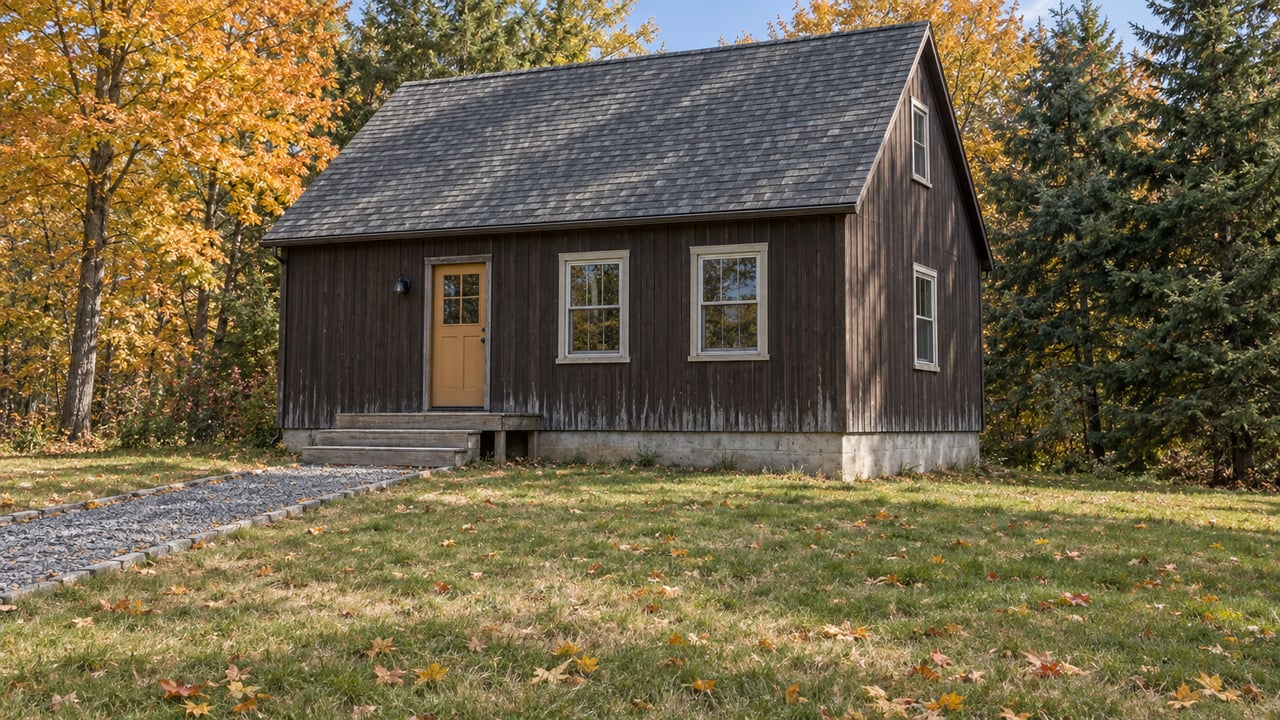
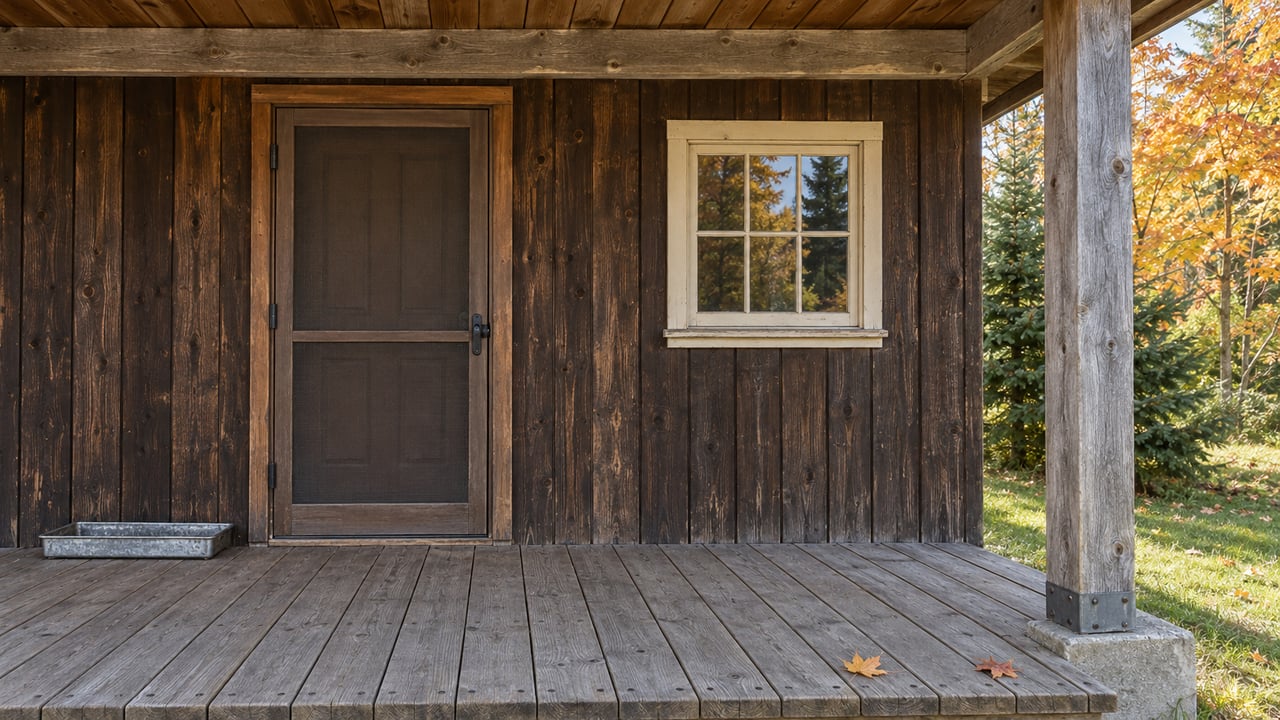
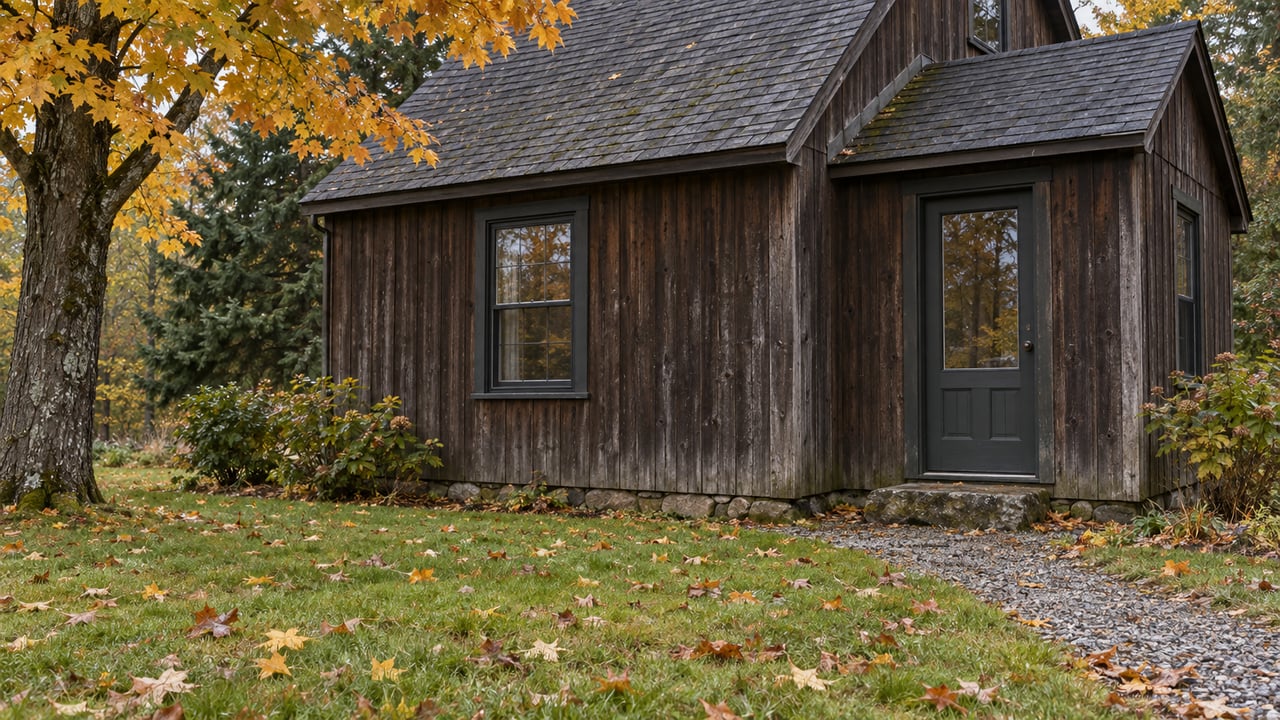
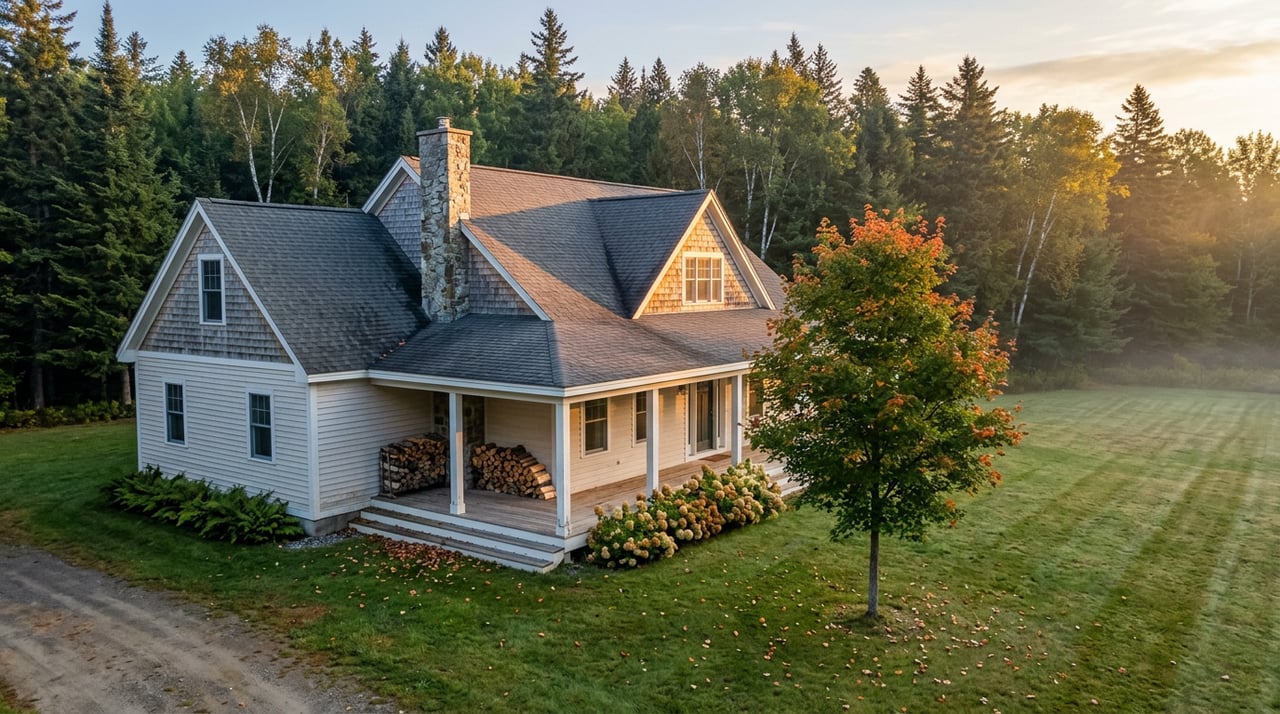
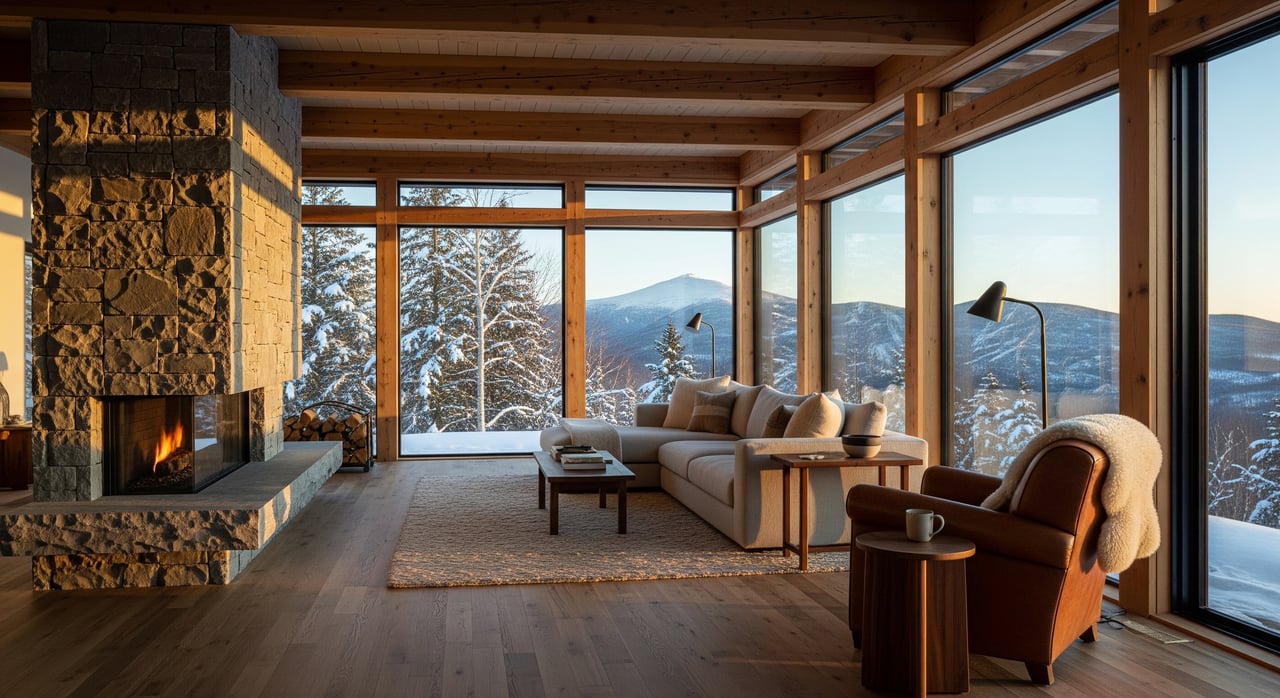
You’ll see everything from small rustic cottages around 600 to 1,200 square feet to larger, contemporary mountain homes with 2 to 4 or more bedrooms. Common design choices include open great rooms with a wood or pellet stove, durable flooring like tile or engineered hardwood, and a gear‑friendly mudroom entry. Lofts and bunk rooms help you host family and friends without feeling crowded.
Exterior details favor winter performance. Steep‑pitched roofs help shed snow, and you’ll often find metal or rated asphalt shingles. Wood or board‑and‑batten siding is common, with finishes suited to cold‑weather exposure.
Heat and mechanical systems
Primary heat sources vary. You’ll find propane or oil systems, electric solutions like cold‑climate heat pumps, and wood or pellet stoves used for backup or ambiance. Quality insulation, proper vapor barriers, and upgraded windows are important. These features reduce heating loads and help prevent ice dams.
Water, wastewater, and utilities
Many rural properties rely on private wells and septic systems. Some parcels in the Wilmington hamlet have municipal water and sewer, which can matter if you plan seasonal use or short‑term rentals. Electricity is provided by regional utilities, and many owners choose a backup generator to handle winter outages. Internet and cell coverage have improved with recent broadband and satellite options, but always verify service at the specific address.
Access and parking
Driveway design is a big factor in winter. Steep or long drives require regular plowing and can carry higher seasonal costs. Heated driveways are desirable but less common. Off‑street parking for multiple vehicles is helpful for groups and is often a requirement if you plan to host guests.
Permits and renovations
Properties inside the Adirondack Park may fall under Adirondack Park Agency review, in addition to town zoning. If you plan to renovate, add on, or build new, confirm land classification and permits before you start. This step protects your timeline and keeps your project compliant.
Winter ownership realities
Snow removal and storage
Plan on regular plowing during active snow periods. The grade and length of your driveway, plus turnaround space, affect cost and feasibility. Properties should have room to store plowed snow. Steeper sites sometimes need a more detailed snow management plan.
Travel prep and vehicles
Four‑wheel drive or all‑wheel drive with proper winter tires is highly recommended. Local roads are maintained, but storms can bring packed snow and ice. Transit and rideshare options are limited, so think ahead about guest transportation and contingency plans during heavy snowfall.
Plumbing and winterization
Look for frost‑protected foundations, insulated wells, and shielded outdoor plumbing. If you leave the home vacant for stretches, you will either keep heat running or winterize the plumbing. Many owners use smart thermostats, freeze sensors, or a local property manager to monitor conditions.
Heating fuel logistics and upkeep
If you use oil or propane, set up seasonal deliveries and tank monitoring to avoid runouts. For wood‑burning appliances, make chimney cleaning and stove checks part of your pre‑season routine.
Roof loads and ice dams
Adirondack snowfall and drifting put real weight on roofs. A roof designed for local snow loads is essential. To limit ice dams, make sure your attic insulation and ventilation are appropriate. Heat cables can be a targeted solution where needed.
Insurance and emergency planning
Second‑home insurance can be higher than for a primary residence. Review coverages for winter risks such as freeze damage, chimney fire, or roof issues from heavy snow. Properties with steep or single‑access drives can become temporarily hard to reach in storms, so keep a generator and emergency supplies on hand.
Property management and vendors
Many second‑home owners hire local help for plowing, check‑ins, and mid‑winter inspections. Contractors can be booked solid during peak season, so line up plumbers, electricians, HVAC, and chimney services in advance.
Year‑round appeal and rental potential
Wilmington and the Lake Placid corridor stay active all year. In summer, you have hiking, mountain biking, fishing, scenic drives, and nearby lakes. Fall foliage brings busy weekends and steady interest. Spring can be quieter and muddy in places, which keeps trail and road conditions in flux.
Short‑term rentals see demand in both winter and summer. Before you assume rental income, confirm the Town of Wilmington’s rules on registration, occupancy, and septic capacity, along with any county or state tax requirements. Within the Adirondack Park, land use can also affect what you can do. Check local rules and permits first so your plan is sound.
Smart buyer checklist
- Test the winter drive time to the Whiteface base lodge from the exact address.
- Verify electric provider, internet options, and cell coverage at the property.
- Arrange a well flow and water quality test, and get a septic inspection with age and capacity details.
- Review roof age and snow‑load rating, insulation quality, and window performance.
- Clarify who maintains the road and driveway, plowing contracts, and snow‑storage space.
- Confirm Adirondack Park Agency and town zoning rules, plus short‑term rental regulations and occupancy limits.
- Obtain insurance quotes that include winter risks for second homes.
- Line up local vendors, including plumber, electrician, HVAC, chimney service, locksmith, and property manager if needed.
- Evaluate rental potential only after checking comparable seasonal listings and local rules.
- Consider resilience upgrades such as a generator, remote thermostats, freeze sensors, and fuel delivery monitoring.
How we help
Choosing the right Wilmington ski cabin takes local insight. You get the best results when you pair on‑the‑ground knowledge with clear guidance on permits, winter systems, and neighborhood tradeoffs. Our team focuses on the Whiteface and Lake Placid corridor and understands how second homes, seasonal rentals, and four‑season living work together in this market.
If you want a trusted local advocate to help you compare properties, coordinate inspections, and plan for winter ownership, reach out to Bob Miller Real Estate. We combine senior‑level representation with a practical, step‑by‑step process tailored to second‑home buyers.
Ready to find your basecamp near Whiteface? Contact Bob Miller Real Estate for a local market consult.
FAQs
How far are Wilmington cabins from Whiteface Mountain lifts?
- Many properties sit about 5 to 20 minutes from the Whiteface base lodge, depending on exact location and winter road conditions.
What heating systems are common in Wilmington ski cabins?
- You’ll see propane or oil systems, electric heat pumps designed for cold climates, and wood or pellet stoves for backup heat and ambiance.
Do Wilmington properties have municipal water and sewer?
- Many rural parcels use private wells and septic systems, while some properties in the Wilmington hamlet have municipal water and sewer service.
What should I know about short‑term rental rules in Wilmington, NY?
- There is demand, but you should confirm Town of Wilmington registration, occupancy and septic requirements, plus any county or state tax obligations before renting.
Is winter driving a concern near Whiteface?
- Yes. AWD or 4WD with winter tires is strongly recommended, and you should plan for limited transit options and potentially icy or packed‑snow roads during storms.