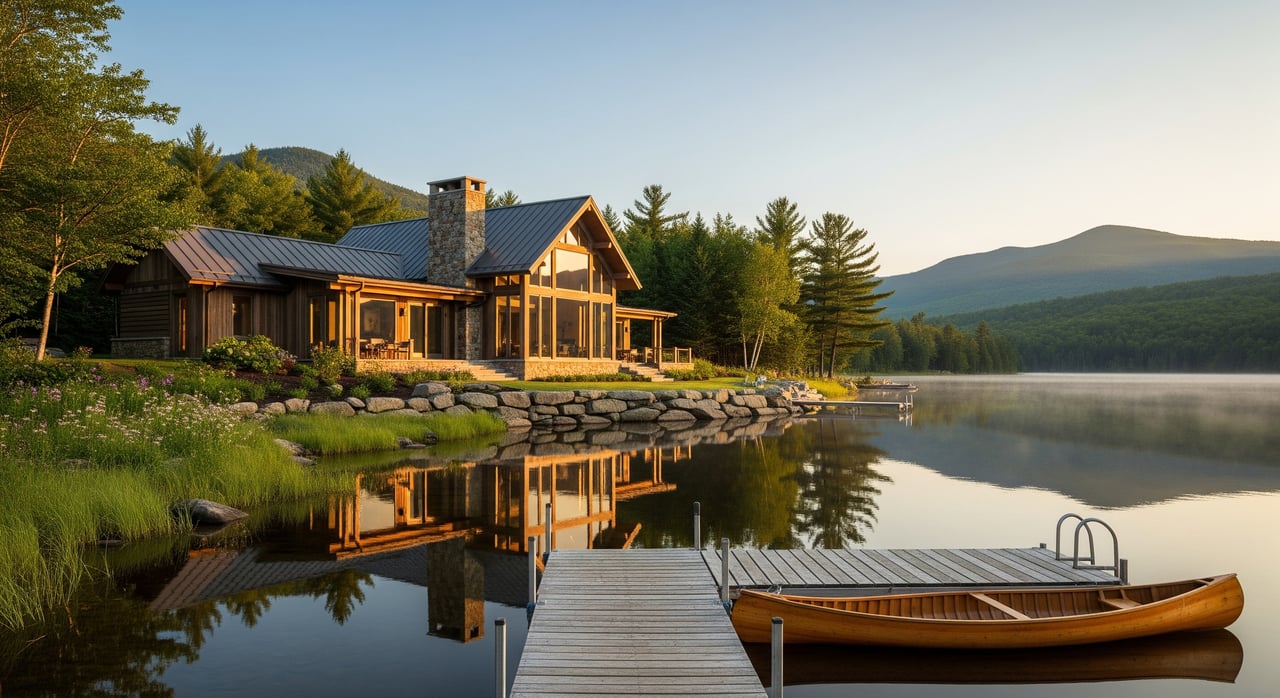
Dreaming of a place where your summer mornings start on a glassy lake and your winter weekends end by a fire after fresh snow? If you are eyeing Tupper Lake in 12986 for a second home, you are not alone. The Adirondack lifestyle is compelling, but buying in a rural, four-season market comes with unique realities. This guide walks you through lifestyle fit, ownership costs, financing, local rules, and rental potential so you can decide with confidence. Let’s dive in.
Why Tupper Lake appeals
Four-season outdoors, small-town pace
Tupper Lake sits in the Adirondack Mountains, surrounded by lakes, rivers, and forested public lands. You get boating, paddling, and fishing in summer, vibrant foliage in fall, and snow-driven fun in winter. The local vibe is relaxed and community oriented. You will find small businesses, arts and cultural events, and a year-round rural pace rather than city-style amenities.
Seasonality and access
Visitor demand peaks in summer and fall, with winter drawing snowmobilers and skiers across the region. Heavy snowfall and freeze-thaw cycles are part of life here. Roof loads, ice dams, and road conditions need attention, and some private drives can be hard to reach after storms. If your dream spot is remote, plan for seasonal access limits and the cost of snow removal.
Services and connectivity
You can get groceries, hardware, and dining in town, though hours and selection are more limited than in metro areas. Major hospitals and specialists are in larger regional hubs, so consider the drive for care. Internet and cell coverage vary by location. Some homes have strong broadband, while others rely on DSL, satellite, or fixed wireless. Check coverage at the specific address before you buy.
Is the lifestyle a fit?
Think about how you plan to use your home. Properties near the village center make year-round living easier, with walkable access to basics. Lakeside camps or backroad cabins put you closer to nature and quiet. If you want year-round access, ask about snowplow arrangements, private road maintenance, and winterization history. If your use is strictly seasonal, a more remote setting may be exactly what you want.
What to know about the market
Tupper Lake offers a mix of waterfront cottages, rustic camps, year-round homes, condos, and vacant land. Value is heavily influenced by water access, shore rights, proximity to trails and public lands, renovation level, and ease of year-round access. Waterfront typically commands a premium, and recently renovated homes can appeal to buyers seeking turnkey use.
For pricing context and competition, review current comparable sales and active listings in 12986 and nearby Adirondack communities. Compare property types rather than relying on a single area median. Given rapid market shifts, use current local MLS data and Franklin County records for accurate numbers at the time you search.
Financing, taxes, and insurance basics
Second home vs investment property
Lenders treat second homes differently from investment properties. A true second home is for your personal use and not your primary residence. Investment properties are primarily rented. Expect larger down payments and proof of cash reserves for second-home loans, and stricter underwriting or different products if your plan centers on rental income.
Income tax considerations
If you plan to rent, keep good records and speak with a CPA. A commonly cited rule is that if you personally use the property more than 14 days or more than 10 percent of the days it is rented, your tax treatment changes. There are rules for reporting rental income, allocating expenses, and depreciation. Make a tax plan before you buy.
Property taxes and recurring costs
New York property tax rates vary by county and municipality. Effective tax burdens in the Adirondacks can be higher depending on assessed value and local rates. Verify the Franklin County and Town or Village of Tupper Lake tax details for a specific parcel. Budget for heating oil or propane, electricity, septic maintenance, well testing and treatment, winterization, snow removal, and trash services.
Insurance and risk
Second-home insurance can cost more than a primary residence policy. Winter storms, ice dams, and remote access raise risk. Waterfront homes may need flood insurance depending on FEMA flood maps. If you plan to host short-term guests, ask your insurer about coverage for short-term rentals and liability.
Regulations and environmental factors
Adirondack Park Agency and local zoning
The Adirondack Park Agency and local zoning offices play important roles in land use. Shoreline work, expansions, new construction, and subdivisions can require permits. Before you plan additions or conversions to rentals, confirm jurisdiction and the permitting process with the Town of Tupper Lake or Village offices and the Adirondack Park Agency when applicable.
Wells, septic, and municipal utilities
Many properties rely on private wells and septic systems. A thorough septic inspection and a potable water test are essential. Some upgrades may be required if you remodel or change the use. Municipal water and sewer are limited, so always confirm service availability and status for a given address.
Shoreline and lake protections
Shoreline setbacks, wetland buffers, and rules for docks are common. Watershed protections can limit tree removal or shore alterations. Local programs may require boat washing to prevent invasive species like zebra mussels or Eurasian watermilfoil. Plan any shoreline changes with permits in mind.
Building and renovation timing
Contractors and materials can be more expensive and timelines longer in rural markets. Weather narrows outdoor work windows. Projects that involve state review can take extra time. Build this into your budget and schedule if you are planning renovations.
Renting your Tupper Lake home
Short-term rentals in the Adirondacks are driven by access to water, rustic charm, trail proximity, and seasonal attractions. Peak seasons are summer and fall, with winter bookings tied to snow conditions and recreation access. Occupancy is often high in a short window, with slower shoulder seasons.
Run conservative numbers. Include cleaning, utilities, property management, maintenance, insurance, taxes, and vacancy in your model. If you will be an absentee owner, consider local property management to handle bookings, guest communication, turnovers, and winterization. Check Town of Tupper Lake, Village, and Franklin County rules for short-term rentals and occupancy taxes before you rely on income.
Ownership costs to plan for
- Property taxes and any municipal fees
- Insurance, including liability and short-term rental riders if needed
- Heat and utilities, including fuel for oil or propane systems
- Septic service and well water testing and treatment
- Routine maintenance, landscaping, dock and shoreline upkeep
- Snow removal and seasonal winterization
- Cleaning and guest supplies if renting
- Property management fees if you hire out operations
- Capital reserves for roof, septic replacement, dock repairs, and storm damage
Due diligence checklist for 12986 buyers
- Confirm whether the property is in the Town or Village and whether it is within Adirondack Park Agency jurisdiction.
- Pull current comps for the immediate area and property type, especially waterfront vs inland.
- Obtain property tax and assessment history from Franklin County or the local assessor.
- Verify utilities at the address: electric, internet options, propane or oil service, garbage, and water or sewer.
- Order a septic inspection and a licensed potable well test.
- Check FEMA flood maps for flood insurance needs.
- Complete a title search and review easements, shore rights, private road agreements, and boat launch access.
- Request seller records for repairs, winterization, and snowplow arrangements.
- Test cell and internet coverage on site and with provider maps.
- If renting, confirm local short-term rental rules, occupancy taxes, and insurance requirements.
Quick decision framework
- Lifestyle fit: Decide if you want year-round access and close-by services, or a seasonal retreat where remoteness is the point.
- Financial fit: Confirm loan options, set a realistic budget for operating costs, and model rental income conservatively.
- Regulatory fit: Map out zoning, APA, shoreline, well, and septic realities before planning renovation or rentals.
- Operational fit: Choose between self-management and hiring local management, and plan for reliable vendors.
Local contacts to call first
- Town of Tupper Lake building, code, and zoning office
- Village of Tupper Lake clerk or code office if in the Village
- Franklin County Real Property and the local assessor
- Adirondack Park Agency for land use and permit questions
- Franklin County Health Department for well and septic guidance
- Franklin County tourism or the local chamber for seasonal trends
- Local MLS professionals for current comps and market context
- Insurance agents and lenders familiar with second homes in the region
Final thoughts
A second home in Tupper Lake can deliver the Adirondack lifestyle you want, from quiet paddles at sunrise to snowy trail days in winter. The same elements that make it special also require thoughtful planning. If you take a structured approach to lifestyle fit, costs, regulations, and operations, you can make a clear yes or no with confidence.
If you would like local insight on specific neighborhoods, shorelines, and today’s comps in 12986, we are here to help. For a personal consult on your goals, contact Bob Miller Real Estate.
FAQs
What should I know about winter access for a Tupper Lake second home?
- Ask about private road maintenance, snowplow contracts, and how the home has been winterized in past seasons. Heavy snow and ice can limit access and add costs.
How do lenders view second homes compared to investment properties?
- A second home is for your personal use and typically requires a larger down payment and reserves. If you plan to rent primarily, lenders may underwrite it as an investment property.
What recurring costs should I budget for in 12986?
- Plan for property taxes, insurance, heat and utilities, septic and well service, snow removal, routine maintenance, and capital reserves for big-ticket repairs.
Are there special rules for building or renovating near Adirondack shorelines?
- Yes. Shoreline setbacks, wetland protections, and dock rules can apply, and some projects involve Adirondack Park Agency review. Confirm permits before you plan work.
Can I count on rental income to cover my expenses in Tupper Lake?
- Treat rental income conservatively. Peak seasons are strong, but shoulder seasons can be slow. Include management, cleaning, utilities, maintenance, taxes, and vacancy in your model.
What inspections are most important for rural Adirondack properties?
- A septic inspection, potable well test, and a review of access rights are key. Also check for flood exposure, roof load history, and winterization practices.
How do I verify local short-term rental rules and taxes?
- Contact the Town or Village offices and Franklin County to confirm any licensing, registration, and occupancy tax requirements before renting or buying with rental plans.