Trying to decide between a condo and a townhome in Lake Placid? With four-season demand, snowy winters, and a mix of village and resort living, the right choice comes down to how you want to live and what you want to maintain. You want a clear picture of ownership, HOA coverage, insurance, financing, and local rules before you buy. This guide breaks it all down and gives you a practical checklist tailored to ZIP 12946. Let’s dive in.
Condo vs townhome basics
A condominium is a legal form of ownership under New York’s Condominium Act. You own the interior of your unit plus a shared interest in the property’s common elements. A board manages the budget, reserves, master insurance, and common maintenance funded by association dues.
A townhome is an attached home style, but the legal structure can vary. In a fee-simple townhome, you own the structure and the land beneath it. In some communities, townhomes are organized as condos, which means the association may handle exteriors similar to a traditional condo building.
What this means for you: condos typically reduce exterior maintenance and centralize decisions through the HOA. Fee-simple townhomes often give you more control and responsibility for exterior care and the yard. Two properties that look alike can have very different costs and obligations, so confirm the legal form in writing.
HOA and maintenance
HOA scope varies widely in Lake Placid. Condo associations commonly cover the building exterior and roof, hallways and elevators, landscaping of shared areas, snow removal for shared drives, trash removal, and upkeep of amenities. Some buildings include utilities like water or heat in the monthly dues.
Townhome HOAs can range from minimal rule-setting to robust services. Some cover road maintenance, snow removal, exterior painting, or roof work. Others focus on appearance standards and collect lower dues. Ask for the CC&Rs, maintenance matrix, and the current budget to see exactly what is covered.
Amenities drive dues. Properties with on-site management, concierge, shuttle service, fitness rooms, pools, or structured ski and boat storage often carry higher fees. In resort climates, snow and freeze-thaw cycles add wear and tear, so healthy reserves are especially important. Review the reserve study, financial statements, and recent meeting minutes to spot any risk of special assessments.
Insurance essentials
In a condo, the association usually carries a master policy for common elements. You will carry an HO-6 condo unit policy for your personal property, improvements, and personal liability. Confirm whether the association’s policy is walls-in or bare-walls, plus deductibles and exclusions.
In a fee-simple townhome, you typically insure the entire structure with a homeowners policy similar to an HO-3. If the townhome sits in a condo regime, you will likely need an HO-6 and should verify the master policy’s scope.
Lake Placid winters bring specific risks. Ask insurers about coverage for ice dams, freeze-related water damage, and any higher winter deductibles. If you will be away for long stretches, confirm winterization requirements, temperature-set policies, and how claims are handled for vacant periods.
Financing and taxes
Lenders treat condos differently than fee-simple homes. Many loan programs require the condo project to meet certain standards for owner-occupancy, reserves, and delinquency. In older or smaller resort projects, financing can be more selective and require larger down payments. Fee-simple townhomes are usually financed like single-family homes, which can be simpler for second-home financing.
Second-home and investment loans come with different down payment and qualification standards than primary residences. If rental income is part of your plan, talk to lenders early about how they view short-term rentals in resort markets.
Property taxes are set at the county and municipal levels. Lake Placid sits in Essex County and the Town of North Elba. Second homes generally do not qualify for primary-residence exemptions. If you are downsizing into a new primary home, check eligibility for state or local exemptions and review recent tax bills for comparable properties.
Lake Placid locations
Near Mirror Lake and Main Street, you will find a higher concentration of condos and small multi-unit buildings with strong walkability and access to shops and restaurants. This can be ideal if you want a low-maintenance base for year-round village life.
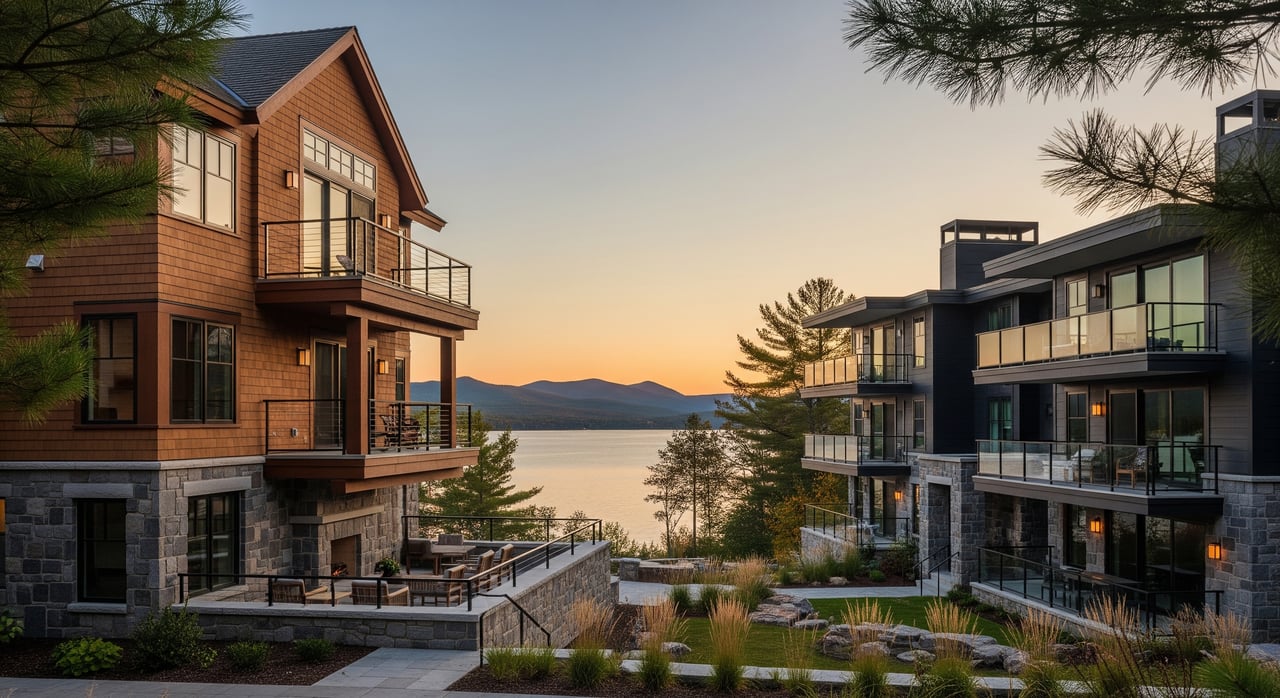
Resort corridors serving ski areas often feature condo and lodge-style communities designed for seasonal use, sometimes with shuttle service, ski storage, and on-site management. These appeal to buyers who want convenience during peak winter and summer seasons.
On the outskirts of the village and in neighboring hamlets within the Town of North Elba and nearby towns, fee-simple townhomes and single-family options are more common. These settings can offer garages, small yards, and a quieter feel. Waterfront condos and townhomes on or near Mirror Lake or Lake Placid can command premiums and may be subject to Adirondack Park and shoreline rules.
Rental rules and use
If you plan to rent, verify two layers of rules: local regulations and HOA documents. Municipalities in New York increasingly regulate short-term rentals. Many associations also set limits on nightly rentals, duration, or number of stays. Do not assume rental ability based on online listings. Get restrictions in writing and confirm whether any permits are required.
Buyer checklist for 12946
Use this list to streamline due diligence for condos or townhomes in Lake Placid:
Documents to request
- Condo: declaration, by-laws, rules, current budget, reserve study, last 2–3 years of financials, past 12 months of meeting minutes, insurance certificate and master policy, delinquency report, pending litigation disclosures, resale certificate if applicable.
- Townhome with HOA: CC&Rs, current budget and reserves, meeting minutes, insurance summary, and a maintenance responsibilities matrix for roofs, siding, driveways, and snow removal.
- Any property: recent survey, deed, title report, current tax bill, and utility details, including water and sewer.
Key questions to ask
- Who maintains the exterior, roof, gutters, decks, driveway snow removal, and landscaping?
- What does the HOA fee cover, and are any utilities included?
- Are special assessments planned or likely? How funded are the reserves relative to the reserve study?
- What are the rules on rentals, pets, and subletting? Any pending litigation or insurance claims?
- For second-home ownership: what winterization and temperature-set policies apply when vacant?
Inspections and site considerations
- Look for signs of water intrusion or ice dam damage and freeze-thaw deterioration on exteriors.
- Evaluate heating system age and service history, insulation levels, and fuel storage location.
- For lakefront or near-shore properties, confirm any shoreline restrictions and check flood zone status.
Financing and insurance prep
- Speak with lenders early about condo project acceptance and second-home requirements.
- Get insurance quotes for HO-6 or HO-3 coverage, and align your policy with the master policy deductibles and exclusions.
Match to your goals
If you want walkability, predictable maintenance, and on-site amenities, a village-area condo may be your best fit. Confirm included services, winter care, and any rental rules that affect your plans.
If you want a garage, a small yard, and more control over the exterior, look for a fee-simple townhome on the village edge or in nearby hamlets. Ask specifically about snow removal and roof responsibilities.
If rental income matters, focus on resort-oriented condo communities designed for seasonal use. Confirm association rental rules and local permitting. Also verify whether investor ratios could impact financing for future buyers, since that can affect resale.
Next steps
Choosing between a condo and a townhome in Lake Placid starts with how you want to live, how often you will be here, and how hands-on you want to be with maintenance. Once you match your goals to a location and ownership structure, the rest is about verifying the details: HOA scope, reserves, insurance, financing, and local rules. When you have clear answers on those points, you can buy with confidence.
If you are weighing options in ZIP 12946 or comparing specific buildings and townhome communities, we would be glad to help you evaluate the tradeoffs and run through the checklist. Reach out to Bob Miller Real Estate to talk through your plans and see what’s available.
FAQs
What is the main difference between a condo and a townhome in Lake Placid?
- A condo is ownership of the unit’s interior with shared interest in common areas, while a fee-simple townhome usually includes ownership of the structure and the land beneath it, which changes who maintains exteriors and grounds.
What do HOA fees typically cover for Lake Placid condos and townhomes?
- Condo dues often include exterior maintenance, common area care, snow removal, and some utilities, while townhome HOAs vary widely from minimal rule-setting to covering roads, roofs, or painting, so you must check the documents.
How do winters in the Adirondacks affect maintenance and insurance?
- Snow and freeze-thaw cycles increase wear on roofs and exteriors and can lead to ice dam or water damage, so verify reserve funding and confirm insurance deductibles and exclusions for winter-related claims.
Are short-term rentals allowed for condos or townhomes in 12946?
- It depends on both local rules and HOA restrictions; always confirm rental policies in writing and check whether permits or minimum stay rules apply before you buy.
Is condo financing harder than townhome financing in Lake Placid?
- Condos must meet project requirements that lenders set, which can limit options or require larger down payments, while fee-simple townhomes are usually financed like single-family homes and can be simpler.
Do second-home buyers get property tax exemptions in Essex County?
- Second homes typically do not qualify for primary-residence exemptions; downsizers making a property their primary residence should review eligibility for any local or state programs before closing.