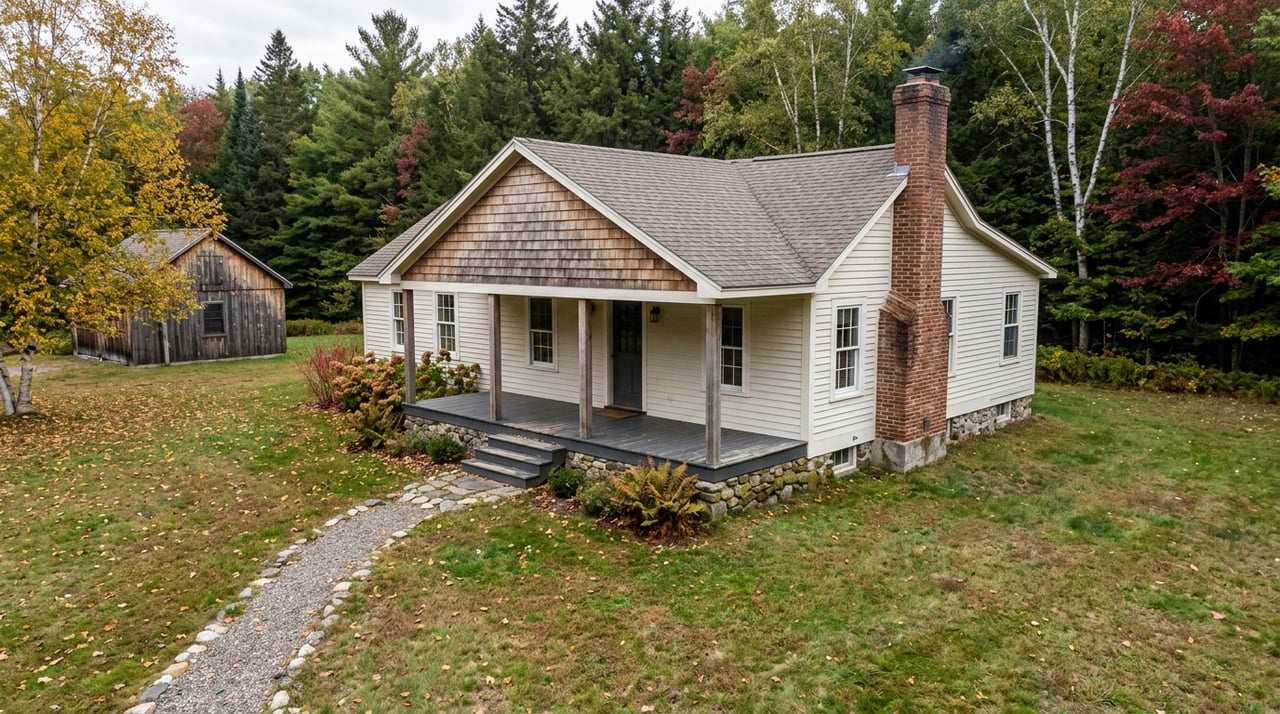
Thinking about a cozy Keene Valley cottage or a year-round mountain home? The right home inspection can save you from avoidable surprises in a place where deep snow, older building systems, and seasonal use are common. You want confidence before you commit, especially if you are buying from out of the area. In this guide, you will learn what inspections cover, Keene Valley’s unique risks, what specialized tests to consider, and how to use results to negotiate with clarity. Let’s dive in.
What a home inspection covers
A standard home inspection is a visual, non-invasive review of the home’s accessible systems on the day of the visit. Inspectors look at the exterior, roof, visible structure, attic insulation and ventilation, plumbing, electrical, heating, cooling, and interior finishes. Many inspectors also test built-in appliances that are present and operable.
You receive a written report with photos, notes, and recommendations. Good reports flag safety items, maintenance issues, and areas that need a specialist. You will use this report to prioritize what matters most to your budget and timeline.
What is not included
General inspections do not confirm code compliance or verify permits. They will not open walls, dig, or perform invasive testing. They also do not include lab tests for water quality, radon, lead paint, asbestos, or a full septic evaluation unless you add them.
In Keene Valley, you should consider add-on inspections for wells, septic systems, radon, chimneys and wood stoves, and potential mold or asbestos in older homes. A structural engineer is a smart call if the inspector sees serious foundation or framing concerns.
Keene Valley priorities: what to watch
Keene Valley sits in the Adirondack Park, where heavy snow, freeze and thaw cycles, and forested lots shape how homes age. Many houses here are older cottages or seasonal cabins. That means you should focus on a few high-impact items.
Roofs, ice dams, and attics
Snow loads and ice dams can stress roofs and cause leaks. Ask your inspector to assess shingle condition, flashing, penetrations, and signs of ice damming. In the attic, check insulation depth, ventilation at soffits and ridge, and staining on sheathing.
Proper ventilation and insulation go hand in hand. You want enough insulation to reduce heat loss and enough ventilation to move moist air out. Together, these help prevent ice dams and moisture problems.
Heating systems and chimneys
You will see a mix of oil, propane, and wood-burning systems. Confirm the type and age of the primary heat, maintenance history, and oil tank location and condition. If there is a wood stove or fireplace, a chimney specialist should check the flue lining, creosote buildup, clearances, and venting.
Combustion air and proper venting matter in tight homes. Your inspector can note red flags and advise if a specialist should evaluate further.
Private wells
Most rural properties rely on private wells. Test for common contaminants such as coliform bacteria and consider nitrate, pH, and hardness. Older plumbing may merit testing for metals as well.
Ask about the well casing and cap, pump and pressure tank performance, and any known yield history. Seasonal use can lead to stagnant water, so recent testing is valuable.
Septic systems
Septic systems vary by age and design. Look for maintenance records, pumping history, and any signs of failure such as soggy areas or slow drains. A septic evaluation or dye test is often worth it in rural Adirondack settings.
Winter conditions can hide problems. If the ground is frozen, you may combine a visual evaluation with record checks and plan a deeper look in warmer months if needed.
Foundations and drainage
Older stone or masonry foundations are common. Inspect for mortar loss, bulging, or settlement. Grading should carry water away from the home, and gutters should discharge well clear of the foundation.
Pay attention to basements or crawlspaces for moisture and insulation quality. Spring thaw and heavy rains will reveal how well the site drains.
Electrical safety
Older cabins may have outdated wiring. Watch for knob-and-tube, ungrounded circuits, undersized service, double-tapped breakers, and missing GFCIs in kitchens, baths, and exterior outlets. Generators and past DIY modifications deserve careful review.
Environmental and pest risks
Older finishes may contain lead paint or asbestos. Radon testing is recommended in much of upstate New York and is inexpensive. In wooded settings, look for signs of carpenter ants, wood rot, and rodents, especially in outbuildings and crawlspaces.
Specialized tests to consider
- Well inspection and water testing for bacteria and common parameters.
- Septic evaluation, dye test, and a review of pumping and repair records.
- Chimney and wood-stove inspection by a qualified specialist.
- Radon testing with either a short-term continuous monitor or long-term test.
- Mold or moisture investigation if there is odor, staining, or past water entry.
- Lead paint and asbestos testing for pre-1978 homes or older materials.
Timing, seasonality, and access
Spring through fall makes roof access and exterior grading review easier. Wells and septic systems are also simpler to evaluate when the ground is not frozen. That said, winter inspections are common in mountain markets.
Expect winter limitations if snow covers the roof and site. Frozen plumbing or inaccessible components may require follow-up visits or seasonal rechecks. Build flexibility into your inspection contingency to accommodate add-on tests.
Contingency windows and test durations
Common inspection contingency periods run 7 to 14 days, depending on your contract and market conditions. Radon tests often require 48 to 96 hours of continuous monitoring. Water samples can take several days to come back from the lab.
Typical costs in Essex County
Pricing varies by property size, age, access, and travel distance. Older mountain cottages or remote cabins may trend higher.
- Standard home inspection: commonly 300 to 700 dollars.
- Septic evaluation or dye test: commonly 300 to 600 dollars or more.
- Well inspection and water testing: commonly 150 to 400 dollars for testing, plus more for yield or equipment checks.
- Chimney sweep and inspection: commonly 100 to 400 dollars.
- Radon test: commonly 100 to 200 dollars.
- Mold, asbestos, or lead testing: variable with lab fees.
Choosing the right inspector
Look for inspectors experienced with Adirondack properties and seasonal systems. Ask about affiliations and certifications, and request a sample report so you can see the format and detail level. Confirm professional liability or E&O insurance.
Ask how they handle add-ons like well, septic, chimney, or radon testing. Clarify turnaround time so your contingency stays on track. References and recent reviews will help you gauge responsiveness and thoroughness.
Documents to request from the seller
- Septic pumping and repair records.
- Well logs, pump service history, and recent water test results.
- Heating system service records and oil tank information.
- Permits and receipts for remodels, additions, or major system work.
- Survey, lot lines, and any easements.
- Past insurance claims on the property.
- Property condition disclosure and any Adirondack Park Agency or Town of Keene permit documents.
How to use your report in negotiations
Start by prioritizing safety items and major system issues. Examples include active electrical hazards, structural movement, failing septic systems, or contaminated well water. These are the items that most affect health, safety, and cost.
You can request seller repairs, price adjustments, or credits at closing. For big-ticket findings, get contractor or engineer quotes to size the cost. The more specific your request, the easier it is to reach an agreement.
Red flags that need specialists
- Active fuel or oil leaks, or concerns about a buried tank.
- Significant foundation movement or major cracking.
- Widespread attic or roof rot linked to ice dams.
- Sewage surfacing, slow drains, or evidence of septic failure.
- Positive water tests for coliform or E. coli, or weak well yield.
- Major electrical hazards, exposed live parts, or unsafe wiring.
If you encounter any of these, you may choose to pause and consult specialists or adjust your offer based on findings.
Local rules and permits to keep in mind
Homes in Keene Valley are subject to Adirondack Park Agency land use rules and Town of Keene permitting. This can affect past work and future plans for additions, decks, and certain site changes. During your inspection period, verify available permits and records with the appropriate local offices.
Quick Keene Valley checklist
Use this list to guide your walkthrough and questions for the inspector:
- Roof condition, flashing, and any signs of ice dams.
- Attic insulation depth and continuous ventilation at soffits and ridge.
- Foundation mortar, cracks, grading, drainage, and gutter performance.
- Heating system age, fuel storage, venting, and service records.
- Chimney flue integrity and wood-stove clearances.
- Well cap and casing, pressure tank function, and water testing plan.
- Septic system type, pumping history, and visible signs of failure.
- Electrical service size, panel condition, GFCIs, and any outdated wiring.
- Evidence of moisture, mold, or pest activity.
- Seller records for permits, service history, and disclosures.
Buying in the Adirondacks should feel exciting, not uncertain. A thorough inspection plan tailored to Keene Valley’s climate and housing stock gives you clarity. With clear next steps, you can protect your budget, negotiate with confidence, and enjoy your new home in every season.
Ready to move forward with a smart, locally informed strategy? Reach out to Bob Miller Real Estate for owner-led representation and practical guidance from contract to closing.
FAQs
Should I test for radon when buying in Keene Valley?
- Yes. Radon levels vary across upstate New York, and testing is inexpensive; use a short-term monitor or a long-term test and plan mitigation if results are elevated.
Do I need a septic inspection on a rural property?
- It is not always required by law, but it is strongly recommended; confirm any lender requirements and consider a dye test plus a review of pumping and repair records.
Can I inspect a seasonal cabin in winter?
- Yes, but expect limitations such as snow-covered roofs, frozen plumbing, and concealed drainage; add specialized tests and plan follow-ups in warmer months if needed.
What are typical inspection costs in Essex County?
- A standard inspection often runs 300 to 700 dollars, with add-ons like septic, well, chimney, and radon ranging from about 100 to 600 dollars or more depending on scope.
How do I use the inspection report to negotiate?
- Focus on safety and major system issues first; request repairs, credits, or price adjustments, and use contractor or engineer quotes to support your asks.
What permits or rules should I check in the Adirondack Park?
- Verify any Adirondack Park Agency and Town of Keene permits for past work and understand how local rules may affect future changes before you finalize your purchase.