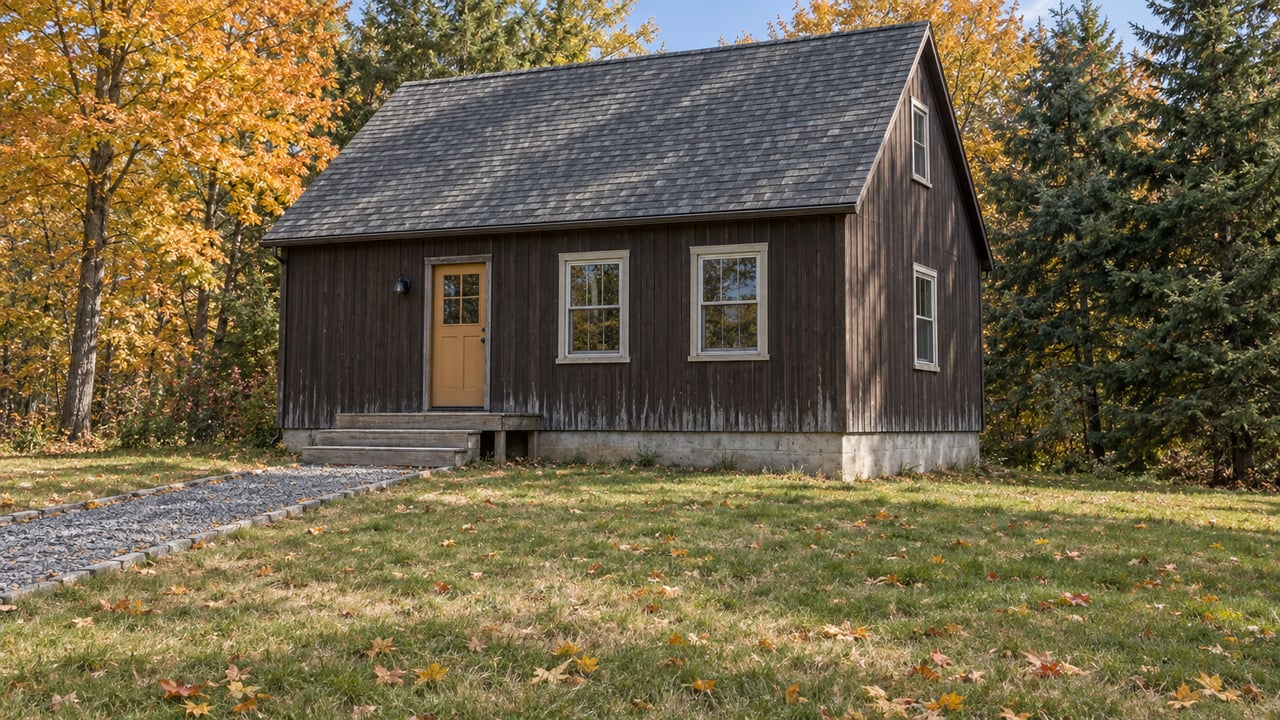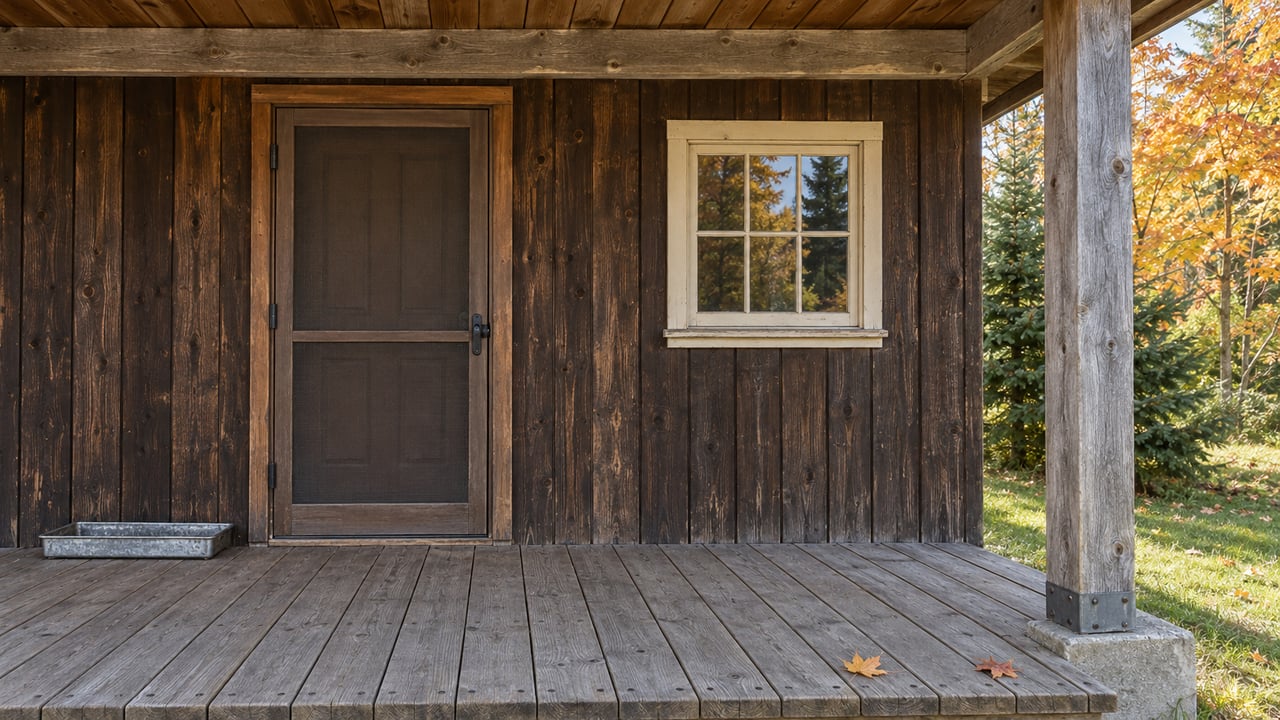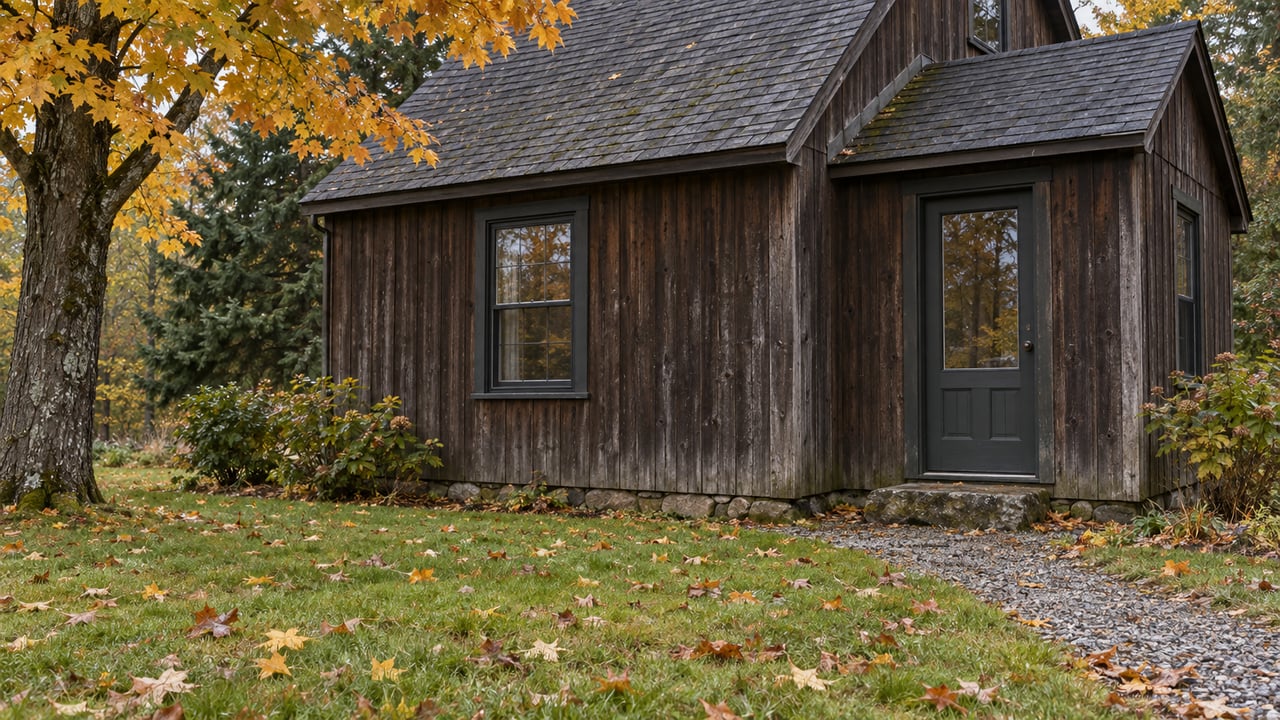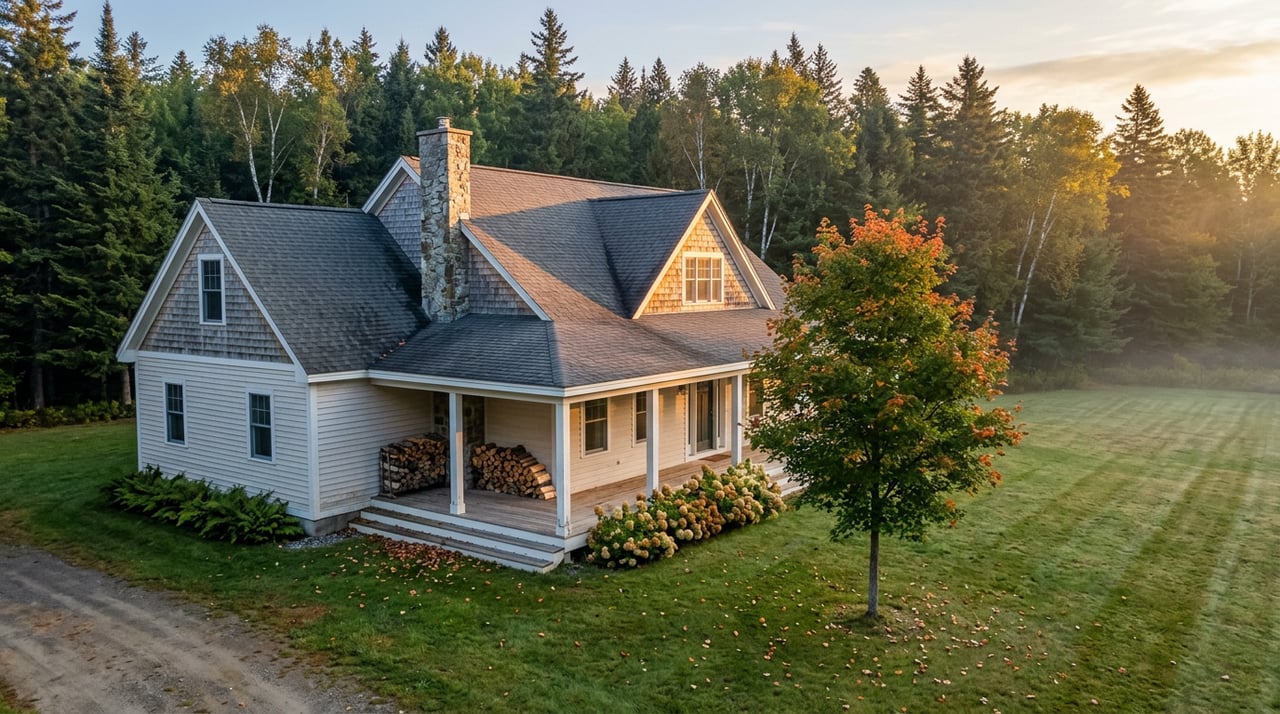
Drawn to Saranac Lake’s cure cottage porches and turn-of-the-century woodwork, but not the surprise repairs that can follow? You are not alone. Buying a historic home in ZIP 12983 comes with character and context that few places can match, along with extra steps that protect your investment. In this guide, you will learn what makes local homes unique, which inspections to prioritize, how permits and incentives work, and how to budget and phase work with confidence. Let’s dive in.
Why Saranac Lake homes stand out
Saranac Lake’s national reputation as a tuberculosis treatment center shaped an entire housing type known as the cure cottage. These homes often feature one or more cure porches designed for long rest and fresh air, along with distinctive period details. If you are new to the area, start by learning what defines a cure cottage and how those porches were used in daily life through the local history of cure cottages.
You will also find several historic districts and individually listed properties within the village, including Church Street, Helen Hill, Cottage Row, Highland Park, and others. Many homes are contributing resources within these areas, which can influence reviews, incentives, or available guidance. To see the breadth of listings, scan the village’s National Register properties and districts.
What features to expect
Cure porches and exteriors
Cure porches are a hallmark of Saranac Lake. They are often enclosed, glassed, or added onto a main facade, which means extra exposure to weather. Porch framing, flooring, flashing, and glazing deserve close inspection and planned maintenance. When repairs are needed, follow preservation best practices outlined in the National Park Service’s guide to wood porches to retain character and durability.
Windows, siding, and interiors
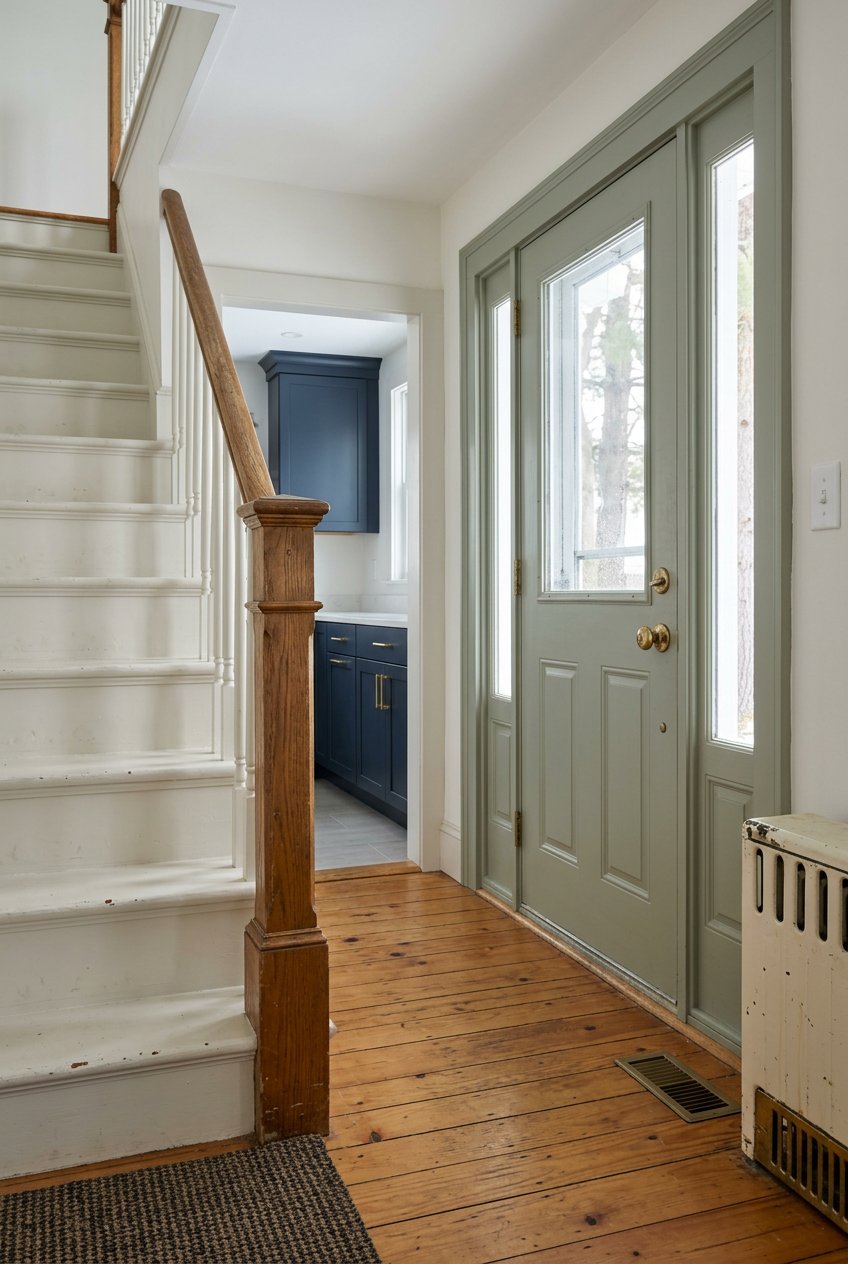
Many village homes are wood-frame with clapboard or shingle siding, wood trim, and original double-hung sash. Interiors may include plaster-and-lath walls, built-ins, narrow staircases, and period millwork. Preserving original windows and siding often supports long-term value, though it can cost more than simple replacements.
Older finishes and materials sometimes raise health and code questions. Pre-1978 paint may contain lead, and mid-century materials may include asbestos. If you plan to disturb painted surfaces during renovation, learn about the EPA’s Renovation, Repair and Painting Program and use certified firms.
Systems and Adirondack weather
Expect older mechanicals such as oil boilers, cast-iron radiators, wood stoves, and original chimneys. Some older homes still have knob-and-tube wiring or minimal insulation. Cold winters and freeze-thaw cycles make roof condition, attic ventilation, and water management essential. Pay special attention to basements, porch interfaces, and exterior joints where water can enter.
Smart inspections to order
A standard home inspection is not enough for a historic property. Order a baseline inspection, then add specialists who understand older construction and Adirondack conditions. Attach a clear scope to each inspection so your team examines the details that matter most.
- Full home inspection. Ask your inspector to note porch structure, window sash, roof framing, chimneys, and any signs of settlement.
- Structural or engineering review. Bring in an engineer if floors sag, porches carry heavy loads, or foundations are stone or rubble. Freeze-thaw movement is common in older masonry.
- Roof and attic assessment. Confirm roof condition, snow-load capacity, flashing, and attic ventilation. Historic roof systems can hide deck or framing issues.
- Chimney and flue evaluation. Many older chimneys need repointing, stabilization, or relining. A certified sweep can scope and advise.
- Electrical inspection for knob-and-tube. Identify any remaining knob-and-tube and confirm service size. Some lenders or insurers require updates. National estimates place full-house rewires in the low-to-mid five figures for older homes; see a cost overview of knob-and-tube replacement to frame expectations.
- Plumbing evaluation. Check for galvanized supply lines, older drains, or signs of lead solder. If there is an oil tank, verify age and status.
- Sewerscope or drain camera. The Village maintains municipal mains and a wastewater treatment plant, but laterals and older connections vary by property. Confirm service details at Village Water & Sewer and scope the line for defects.
- Lead paint testing. Test before any work that disturbs painted surfaces and hire firms that follow EPA RRP guidelines.
- Asbestos inspection if renovating. Test suspect materials like floor tiles, pipe insulation, or textured ceilings before disturbance. A cost overview from This Old House can help you plan.
- Moisture and mold assessment. Target basements, porch interfaces, and attics. Water control is the fastest way to improve durability.
- Preservation consultant or architect. If you plan a major rehab or want to pursue tax incentives, a preservation professional can help you meet standards and sequence work efficiently.
Permits and approvals to check
Village permits and code
Start locally. The Village of Saranac Lake publishes building-permit packets, planning forms, and fee schedules. Demolition, floodplain, and building permits may apply to your project. Review the Village’s Documents and Forms and speak with Code Enforcement early, especially if you are designing major exterior changes or structural work.
Water and sewer services
Confirm whether the property connects to municipal water and sewer or uses a private lateral or septic. Service type affects inspection scope and cost planning. The Village outlines coverage and responsibilities on Water & Sewer.
Adirondack Park Agency (APA)
Saranac Lake sits inside the Adirondack Park. Larger projects, shoreline work, and projects on certain classified lands can require APA review. If you are considering additions, site changes, or major exterior work, check the APA’s guidance and use its jurisdictional resources at the Adirondack Park Agency.
Historic districts and incentives
Many properties in the village are listed or contribute to National Register districts. National Register status does not automatically prohibit changes, but local processes or easements may apply. If you plan to use incentives, approvals are typically required before work begins.
For income-producing properties, the Federal 20 percent Historic Rehabilitation Tax Credit is administered alongside state programs by OPRHP/SHPO. Review state guidance for income-producing credits on Parks, Recreation and Historic Preservation. New York State also offers a Historic Homeownership Rehabilitation Credit for eligible owner-occupied homes that are listed or contribute to a district, with requirements and caps. Check program details with OPRHP early.
Budgeting and phasing for success
Prioritize structure and safety
Focus first on what keeps the house stable and dry, then layer in systems and finishes.
- Stop active water entry and secure structure. 2) Ensure safe electrical and heating systems. 3) Stabilize foundations and chimneys. 4) Address the exterior envelope, including roof, siding, porches, and windows. 5) Finish interiors and add energy upgrades. This order reduces the risk of undoing finished work after a structural fix.
Seasonality matters. Exterior projects crowd into a shorter construction season in the Adirondacks. Specialty trades for windows, porches, and historic masonry can book out months in advance. Build time and contingency into your plan.
Typical cost ranges to plan for
Every home is different, but the ranges below help set expectations before you bid work. Always seek local quotes.
- Electrical rewire for knob-and-tube. National summaries place full-house rewires for older homes in the low-to-mid five-figure range depending on size and access. Get a line-item estimate for panels, circuits, wiring, and drywall repair. See an overview of knob-and-tube replacement costs.
- Lead-paint remediation. Methods vary from encapsulation to full removal, with typical professional removal often in the $10 to $17 per square foot range and whole-house projects in the low five figures. A quick primer on lead-paint removal costs can help you scope.
- Asbestos testing and abatement. Small projects often run in the low-to-mid thousands, while larger removals scale up. Budget for professional testing before any disturbance, and review asbestos abatement cost factors.
- Roofing and snow load. Full asphalt-shingle replacements on typical village homes commonly fall in the mid-to-high thousands, increasing with complexity or structural upgrades for snow load.
- Porches and original windows. Preservation experts often recommend repairing original wood sash and cure porches for better long-term performance and character retention. Budget for specialist carpentry, matched materials, weatherstripping, storms, and glazing.
Aim for a healthy contingency. If inspections reveal multiple red flags at once, increase your reserve. Many buyers carry 10 to 30 percent of the renovation budget as contingency depending on scope and what inspections uncover.
Questions to ask and red flags
Ask better questions to hire the right team and avoid surprises.
- Do you have experience with historic homes or cure cottages in Saranac Lake? Can you share references and photos of similar work?
- If lead paint or asbestos appears, are you certified for EPA RRP and state asbestos requirements, or will you use certified subcontractors?
- Will your recommendations align with the Secretary of the Interior’s Standards if we pursue tax credits?
- Can you provide a written scope with line-item pricing and allowances for concealed conditions?
- How will you protect original sash, trim, flooring, and other finishes during demolition or access?
- Who will pull permits and coordinate required inspections with the Village and, if needed, the APA?
Red flags in reports include active leaks, widespread porch rot, bowed or bulging masonry, heavily patched or painted-over windows that hide rot, and improvised or unsafe electrical. If several appear together, expand your contingency and revisit scope before closing.
Your next step
Historic homes in Saranac Lake deliver rare architecture and a strong sense of place. With the right inspections, a clear permitting plan, and a realistic budget, you can preserve the character you love while avoiding costly do-overs. If you are weighing options or want a second set of eyes on a cure cottage in 12983, reach out for local guidance and a buyer strategy tailored to your goals.
Have questions about a specific property or want help building your inspection and contractor plan? Connect with Bob Miller Real Estate for a local consult.
FAQs
What makes a Saranac Lake “cure cottage” different?
- Cure cottages commonly include one or more enclosed cure porches and other period details tied to the village’s treatment history, which carry unique maintenance needs and historic value.
Which inspections are most important for a 12983 historic home?
- Start with a full home inspection, then add a structural review, roof and attic assessment, chimney scope, electrical and plumbing checks, a sewerscope, and lead and asbestos testing if you plan renovations.
Do National Register listings restrict renovations in Saranac Lake?
- National Register status does not automatically prohibit changes, but local processes or easements may apply, and specific standards apply if you use historic tax incentives.
Do I need APA approval for interior renovations in Saranac Lake?
- APA review typically applies to larger projects, shoreline work, or specific land classifications, but you should confirm early with APA jurisdictional guidance for your exact scope.
What are typical costs to address old wiring, lead, and asbestos?
- Many older-home rewires fall in the low-to-mid five figures, professional lead removal is often $10 to $17 per square foot, and asbestos abatement ranges from small low-thousands projects to larger scopes depending on materials.
How do I check water and sewer service for a historic home?
- Verify whether the property connects to municipal systems and scope the lateral for defects, using the Village’s Water & Sewer resources and a licensed inspector for a camera review.