Within a week of the July 2025 storm that sent rock and mud off Mount Colden, Saranac Lake climber Bill Schneider made the first ascent of one of the new slides. Lake Placid News reported that he named it "Jackson's Slide" for DEC Assistant Forest Ranger Brendan Jackson, a well-known member of the Adirondack hiking community. For the 13 months after the storm, that bare slab was the reason the classic trip from the Adirondack Loj to Avalanche Lake ended short of the lake.
This will be the first winter since the reopening. The state Department of Environmental Conservation announced on August 26, 2026 that the Avalanche Pass Trail was open again, with reroutes, earlier than expected. The lake at the end is the same one you remember, but past the Lake Arnold junction the route now crosses new bridges and runs on a reroute that wasn't there before July 2025.
At the Loj: parking, rentals and early sunsets
The trip still starts on Adirondack Loj Road. According to ADK's 2026 hiker parking page, the Loj lot costs $25 a day before 1 p.m. and $15 after, and ADK members pay $10 and $6. ADK's High Peaks Information Center is open all year, from 7 a.m. to 4 p.m. Sunday through Friday and until 5 p.m. on Saturday. Its 2026 rate sheet lists adult snowshoes at $25 for a full day and $12 for a half day, and microspikes at $15 and $10. The center also rents metal-edged cross-country skis by the day.
The bigger constraint this month is daylight. ADK's High Peaks Conditions Report for the weekend of November 14 listed sunrise at 6:49 a.m. and sunset at 4:31 p.m., and said hikers had been caught off guard since the end of Daylight Saving Time. A round trip to Avalanche Lake that worked on a September afternoon needs an earlier start now.
Since the Explorer's August report, the trip has gone back to its usual starting points. While the pass was closed, the Adirondack Explorer reported that the easiest legal way to reach Avalanche Lake started at Upper Works, a more remote trailhead in the town of Newcomb. People usually reach the lake from the Adirondack Loj or South Meadow Road outside Lake Placid.
Marcy Dam and the Lake Arnold junction
ADK's Avalanche Pass trail page gives the distances from the Loj: 2.3 miles to Marcy Dam, then 1.1 miles to the Lake Arnold junction. The slide area is about three-quarters of a mile past that junction. This first stretch is the same trail as before. The changes start after the junction.
The Lake Arnold junction meant more during the closure than it does now. Slides on the southeast side of Colden also damaged the Lake Arnold route. It stayed open with a short bushwhack around the debris, and the Explorer described it as the muddier northern way around. Now that the pass is open, the direct route is back.
Where the trail is new
The slide damage was extensive. Lake Placid News reported that the July 2025 rock and mud slides buried a 700-foot section of the pass under more than 4 feet of debris, 20 to 40 feet wide. Upstream from Avalanche Lake, debris covered the entire width of the pass. The Explorer dated the slide to July 13, 2025, one of several in the High Peaks set off by the same storm.
Repair work began in early June 2026. Crews from DEC, the Adirondack Mountain Club, the Adirondack 46ers and the Student Conservation Association worked alongside hired professional trail builders. According to Lake Placid News, they cleared debris and built a system of bridges, including span bridges of 58 and 12 feet and about 230 feet of bog bridges, supported in places by cribbing and modular sills. They also replaced displaced rock and soil, installed drainage to carry overflow water away from campsites, and built stone steps. The trail also takes a reroute around the old bog bridging, which had deteriorated.
The new bridges are the main thing to know before your first winter trip. If you've skied the pass for years, you know its old footing and where the wet spots were. Several stretches now cross new structures that you've never seen under snow.
The ground beside the trail is still a fresh slide. In August, Adirondack 46ers trail leader Michele McCall told North Country Public Radio that the unrepaired slide valley looked as if a bomb had hit it, and she asked hikers to stay on the built trail instead of widening it. Lake Placid News reported that DEC's concerns for the site include the debris pile settling over the long term, water continuing to move through the pass, and unstable snow or ice hiding terrain hazards in winter. DEC's avalanche safety page covers what to carry and when to stay off open slopes.
Avalanche Lake and the Hitch-Up Matildas
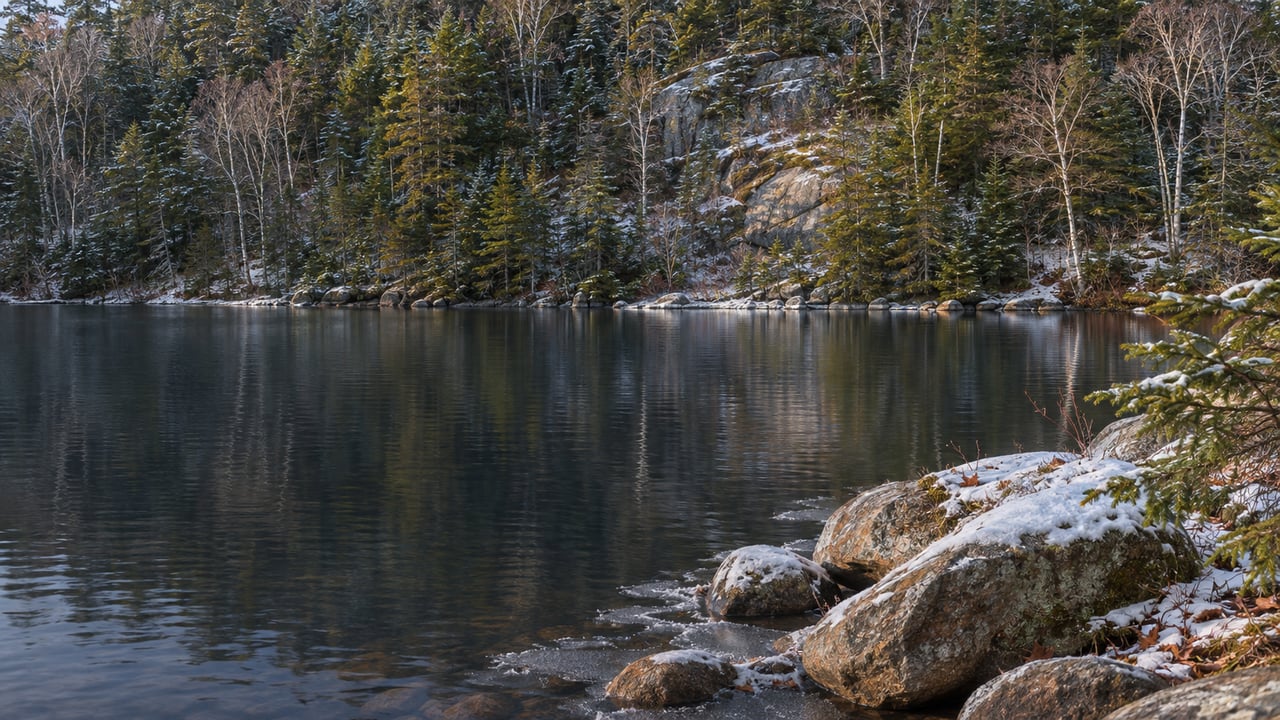
The best news for anyone headed to the lake itself is about the Hitch-Up Matildas. DEC's release describes them as the narrow wooden platforms on Avalanche Lake's western shore that skirt the water and cling to a sheer rock face. Lake Placid News reported that the 2025 storm didn't damage them. The view of Colden's cliffs rising out of the lake looks the way it did before. The slides above it are new.
Avalanche Lake is also where the Trap Dike starts. The Explorer notes that the Trap Dike becomes a backcountry ice climb in winter and that neighboring cliffs around the lake hold other ice routes. DEC's backcountry page warns that the Trap Dike isn't a maintained trail and that winter ice there is extremely hazardous. As of its November 12, 2026 update, DEC also discouraged climbing slides at this time of year because ice is forming.
The campsites near the lake have also changed. DEC's backcountry page lists two designated campsites south of Avalanche Lake as still closed because of the 2025 slides, and DEC is planning to relocate them.
Beyond the lake, on skis
For skiers, the most important detail is what was still left to do when the trail opened in August. The same 2025 storm set off a separate slide that washed out the Avalanche Pass Ski Trail bridge and widened the stream crossing closer to Lake Colden. At the reopening, DEC spokesman Jeff Wernick told Lake Placid News that "the remaining work will focus on finishing aspects of the initial trail repair, cutting the ski trail connection to Lake Colden and performing ordinary maintenance." DEC expects work on the reroute and repairs to continue through 2027.
That makes the trip to Avalanche Lake and back the dependable winter outing for now. If your plan continues to Lake Colden or makes a loop through it, check DEC's backcountry information page first. DEC posts trail updates there every week. When the trail reopened, Region 5 Director Joe Zalewski said in DEC's announcement that "DEC staff are just as eager as the public is to get back out there to hike and ski." He also thanked trail users in advance for respecting the crews and equipment they might meet on the trail.
Where the season stood in mid-November
On November 13, the week before this post went up, ADK's report listed no snow at the trailhead and an inch at the summit. Staff were reporting inch-thick ice at middle and high elevations, and on November 11 one group turned back on the Algonquin trail because of thick ice and knee-deep drifts. That week, ADK was recommending trail crampons or microspikes for higher elevations and said snowshoes probably wouldn't help yet. ADK updates the High Peaks Conditions Report each week ahead of the weekend, and the High Peaks Information Center at the Loj takes calls and emails about current conditions.
The pass is open, the Matildas are intact, and the stretch past the Lake Arnold junction has new bridges and a slide that's been named. That's enough reason to make the trip from the Loj once the snow comes in. More on the trails close to town is on our Lake Placid neighborhood page and in our look at lakefront and trailside living in Lake Placid.
Our brokerage is based in Lake Placid, the same town as the Loj. If you'd like to talk about homes within reach of the High Peaks trailheads, call or email Bob at Bob Miller Real Estate.