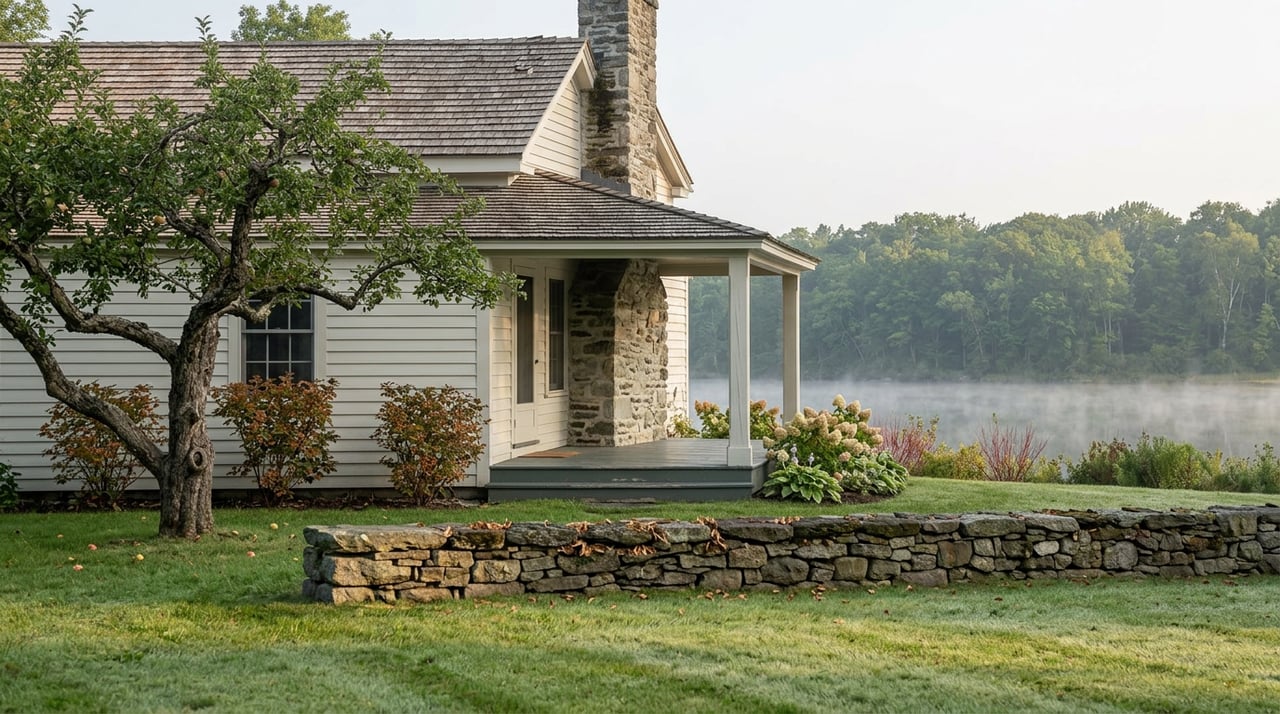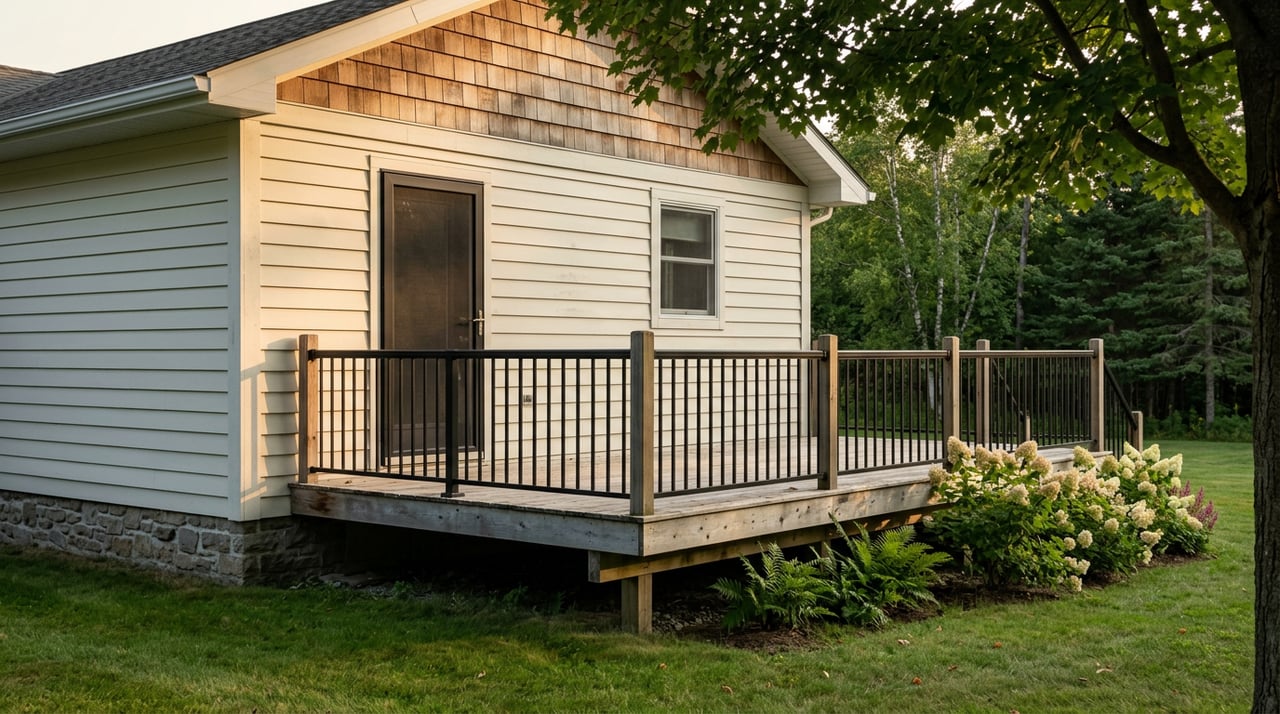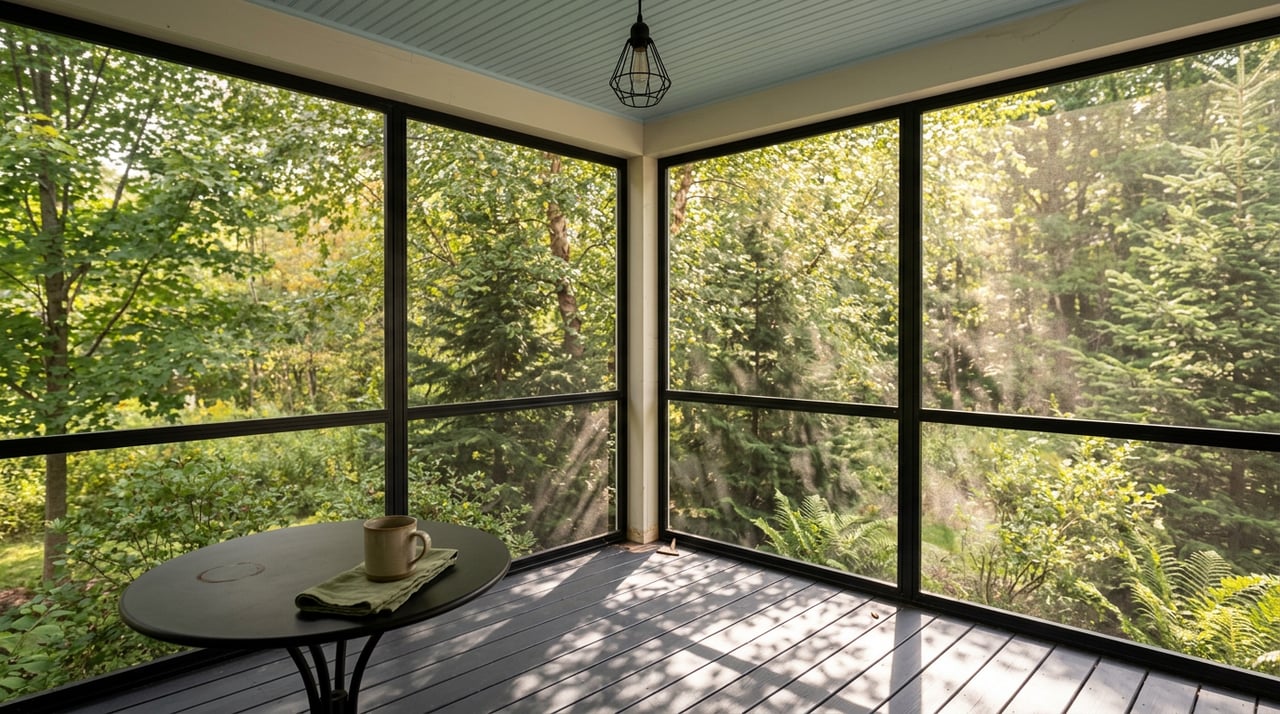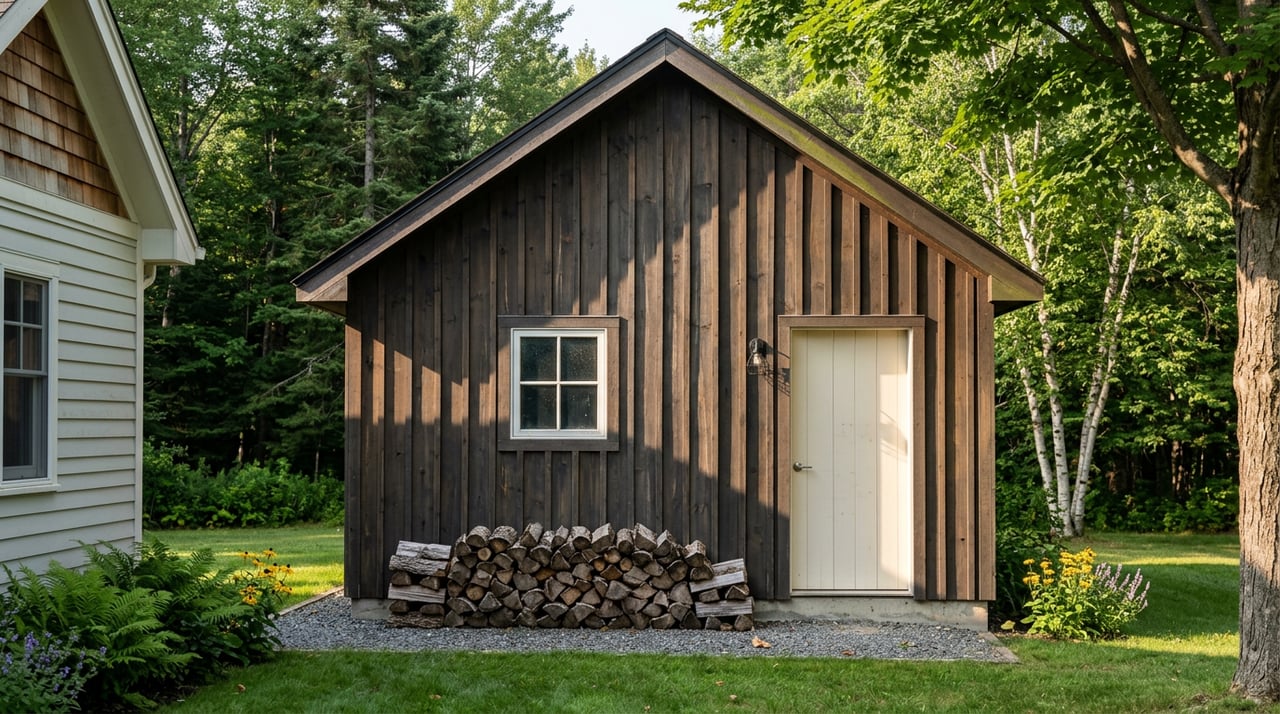
If you picture Lake Champlain as a summer-only escape, you are missing half the story. Living along the lake means boating and beach days in warm weather, but it also means fall trails, winter routines, and homes that need to perform in every season. If you are thinking about buying or selling near the shoreline in the greater Lake Champlain region, understanding that year-round rhythm can help you make a smarter move. Let’s dive in.
Lake Champlain Is a True Four-Season Place
Lake Champlain is a 125-mile-long freshwater lake with 435 square miles of surface area, and that scale shapes daily life along the shoreline. The Adirondack Coast is built around historic towns such as Plattsburgh, Essex, Westport, and Moriah/Port Henry, with the lake serving as both a backdrop and a practical part of how people move, gather, and spend their time.
The lake is navigable by sailboats, cruisers, fishing boats, and ferries, which adds to its year-round appeal. It also affects the local climate. According to the National Weather Service in Burlington, the Champlain Valley has the longest growing season in its forecast area because the lake helps moderate spring and fall temperatures.
That moderation does not mean winters are easy on homes. A nearby lower-lake benchmark at Burlington International Airport shows an annual mean temperature of 47.6°F and 87.5 inches of annual snowfall. In other words, shoreline living may feel a bit more tempered than surrounding uplands, but your home still needs to be ready for serious winter weather.
Summer Living on the Lake
Summer is the season most people imagine first, and for good reason. Lake Champlain supports boating, paddling, fishing, and ferry travel, so access to the water becomes part of everyday life rather than just a weekend plan.
Across the region, public waterfront destinations help define the summer lifestyle. Plattsburgh City Beach offers more than a mile of sandy shoreline, a swimming area, kayak rentals, showers, and a nature trail. Point Au Roche State Park includes a protected sandy beach, boating and fishing access, 60 mooring sites, and trails that stay useful beyond summer.
Cumberland Bay State Park is another well-known warm-weather destination with a large natural sand beach and picnic grounds. For buyers, this matters because four-season value is not only about private waterfront. It is also about being close to the broader network of beaches, marinas, launches, parks, and shoreline towns that keep life on the lake active.
Fall and Spring Keep the Area Active
One of the biggest surprises for out-of-area buyers is how much the shoulder seasons matter here. Spring and fall are not quiet filler seasons. They bring a different pace, with hiking, foliage, local events, and more comfortable weather for exploring towns and trails.
Point Au Roche’s trail system is used year-round for nature walks and other outdoor activity. In Essex and Westport, CATS trail options like the Wildway Passage Loop and the Ancient Oak Trail help show how the area stays connected to the outdoors well beyond beach season.
Community events also help carry momentum through these months. The region’s calendar includes farmers’ markets through summer and fall, along with the Adirondack Harvest Festival in Westport. If you are choosing between a true lifestyle location and a place that empties out after Labor Day, that difference matters.
Winter Is Still Part of the Lifestyle
Winter along Lake Champlain is slower, but it is not an off-season. The local rhythm simply changes. Snowshoeing, cross-country skiing, skating, and ice fishing all remain part of the seasonal mix, and shoreline communities continue to offer reasons to stay engaged.
The lake itself still influences winter conditions. The National Weather Service says areas close to the water often see delayed freeze dates and shorter snowpack persistence compared with surrounding uplands. That can shape everything from outdoor plans to how a property feels in late fall and early spring.
Indoor community spaces also matter in winter. The Whallonsburg Grange hosts music, movies, theater, lectures, and classes year-round, and the Depot Theatre in Westport adds another cultural anchor. For many buyers, that blend of outdoor access and community activity is what makes the area feel livable all year, not just scenic.
Seasonal Cottage vs Four-Season Home
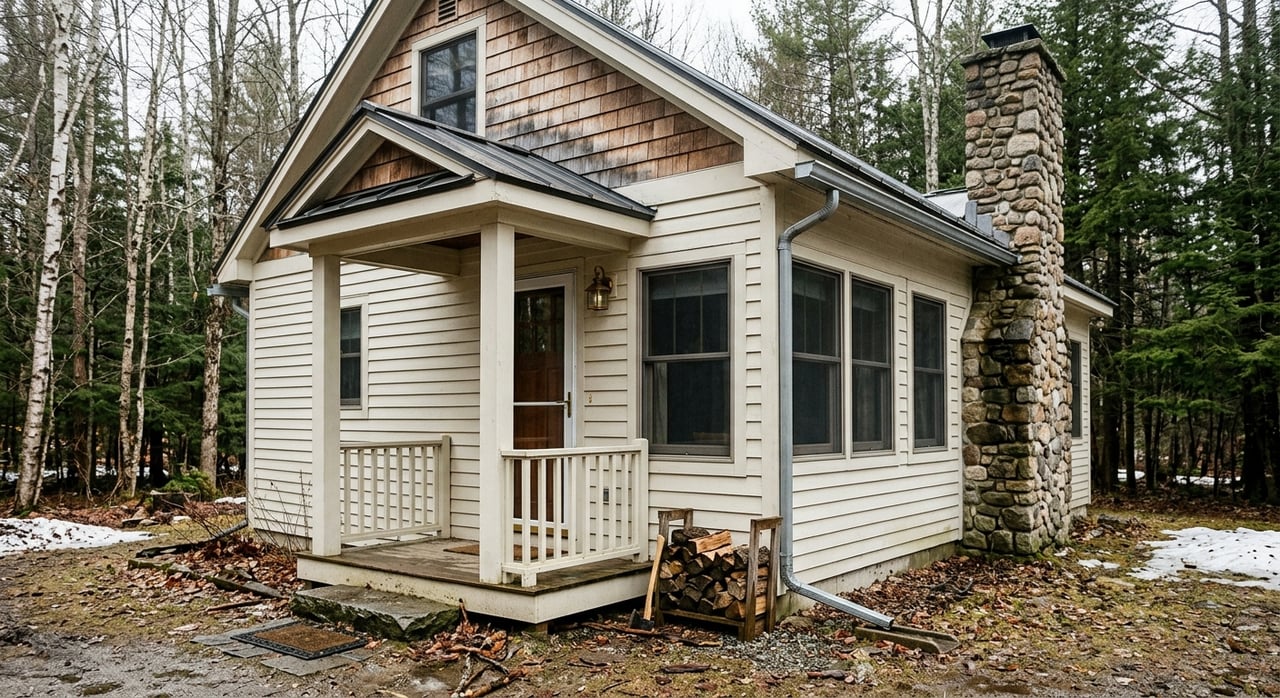
This is one of the most important distinctions for buyers. A seasonal cottage may look charming in listing photos and work well in July, but that does not mean it is designed for steady use in January. The real difference is usually not style. It is systems.
A home used only seasonally is often designed to be shut down or lightly used in freezing weather. Guidance from University of Minnesota Extension notes the importance of draining and shutting off water pipes that are not used often in winter, especially exterior lines, to help prevent frozen-pipe damage. That is a useful way to think about the difference between a summer place and a house set up for year-round living.
A true four-season home should be able to hold heat efficiently, stay comfortable in warmer months, and protect plumbing and finishes from freeze-thaw stress. ENERGY STAR points to a sealed building envelope, proper insulation, and high-performance windows as key parts of year-round comfort.
It also notes that sealing and insulating can reduce heating and cooling costs by an average of 15%. For buyers, that means the right questions go beyond whether the home is called year-round in a listing. You want to know whether the property actually performs like one.
What to Look for in a Year-Round Property
When you tour homes along Lake Champlain, focus on practical features that support continuous occupancy.
Look for signs that the house is built or updated for all-weather use, such as:
- Reliable heating suited for cold-weather living
- Adequate insulation and air sealing
- Windows designed to handle both winter cold and summer sun
- Plumbing protected from freezing conditions
- A layout and entry setup that can handle snow, moisture, and regular winter use
If a home has these fundamentals, it is much more likely to function as a true four-season residence. This matters whether you plan to live there full time, use it as a second home, or own it as a property that needs to remain dependable throughout the year.
The Tradeoffs of Shoreline Living
There is a lot to love about life on or near the water. Buyers are often drawn to scenic views, boating access, beach culture, ferry connections, and the simple appeal of living near a major natural feature that changes with the seasons.
Towns around the lake each bring a slightly different feel. Essex offers ferry access and a historic main street. Westport combines harbor activity with arts and cultural spaces. Plattsburgh adds a major beach asset and large annual events such as the Mayor’s Cup Regatta and Festival at City Beach.
At the same time, shoreline living comes with honest tradeoffs. You may face more wind, snow, and moisture exposure, plus the need for winter maintenance and planning around changing road and ferry conditions. Lake Champlain Ferries reports that the Charlotte-Essex crossing runs year-round as weather permits, and the Plattsburgh or Cumberland Head to Grand Isle crossing operates 24 hours a day year-round, but weather and ice can still affect travel.
That does not make shoreline ownership harder than inland ownership in every case. It simply means you should go in with clear expectations about access, upkeep, and seasonal conditions.
Flood Due Diligence Matters
If you are buying near the shoreline, flood diligence should be part of your normal process. FEMA states that flood maps identify areas of high flood risk, flood insurance is a separate policy, and most homeowners insurance does not cover flood damage.
FEMA also advises buyers to consult the community floodplain administrator before making changes in flood-prone areas. For you, the key takeaway is simple: review flood-zone information carefully and verify insurance options before closing on waterfront or near-water property.
This is not a reason to avoid the lake. It is a reason to approach a purchase with good local guidance and a clear understanding of the property’s conditions.
Why This Matters for Buyers and Sellers
If you are buying, four-season living is about matching the property to your real plans. A summer cottage can be the right fit if you want a warm-weather retreat. But if you plan to visit year-round, host through the holidays, relocate, or look at long-term usability, the home’s systems and setting deserve close attention.
If you are selling, buyers notice the difference between a property that photographs well in one season and one that feels functional in all of them. Features like winter-ready access, heating reliability, insulation upgrades, and practical shoreline due diligence can help shape how confidently buyers view your home.
That is especially true in a region where many buyers are coming from outside the area and need help understanding how Adirondack and Lake Champlain properties actually live day to day. Clear, informed guidance builds trust and leads to better decisions on both sides of the transaction.
Whether you are searching for a lakefront cottage, a year-round home, or a property with long-term lifestyle value, local perspective matters. If you want expert guidance on buying or selling in the broader Lake Champlain region, connect with Bob Miller Real Estate for a local market consult.
FAQs
Can you live along Lake Champlain year-round?
- Yes, if the home is built or updated for continuous occupancy in freezing weather rather than seasonal shutdown.
What makes a Lake Champlain home truly four-season?
- The key features are reliable heat, adequate insulation, air sealing, winter-safe plumbing, and windows that support comfort in both cold and warm weather.
Is Lake Champlain only a summer lifestyle?
- No. Summer brings boating and beach time, but fall and spring include trails and community events, and winter still offers outdoor recreation and indoor cultural activities.
What should buyers check before buying waterfront near Lake Champlain?
- Review flood-zone information, confirm flood insurance options, and understand any property conditions tied to shoreline location before closing.
Do ferries operate in winter around Lake Champlain?
- Yes, some ferry routes operate year-round, but service can still be affected by weather and ice conditions.
Why do shoulder seasons matter in the Lake Champlain region?
- Spring and fall add hiking, farmers’ markets, festivals, and milder weather, which helps make the area feel active well beyond peak summer months.